
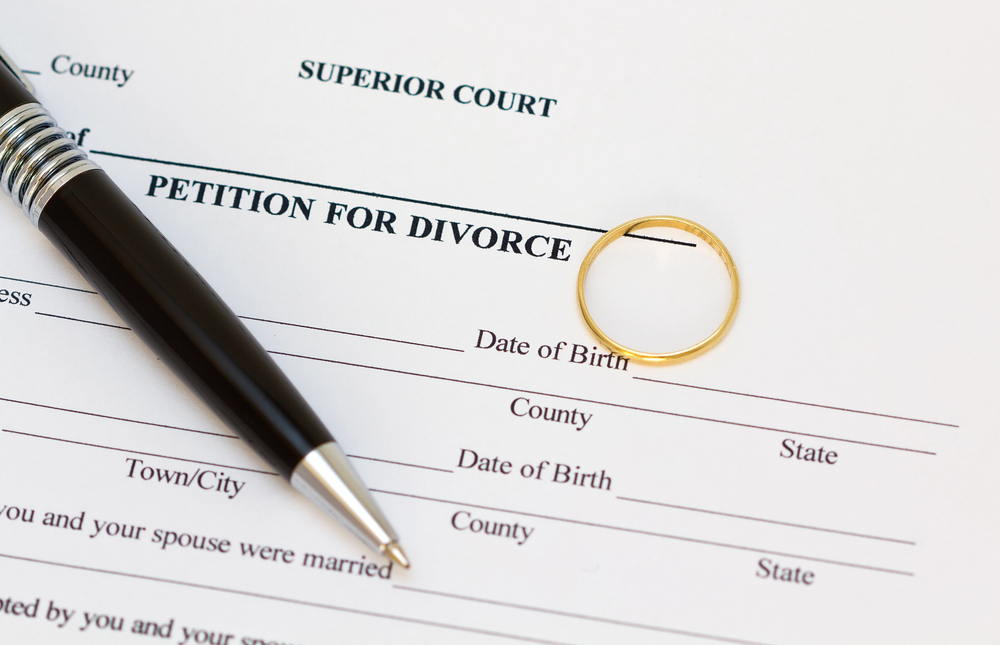
Considering divorce? Knowing what to expect before you start can save you a lot of time and stress, and talking to a Fort Myers, FL, divorce lawyer early will help you get all the facts straight and plan ahead so the road is as smooth as possible.
Basic Divorce Requirements
First, you need to confirm you meet the state’s residency rules. At least one spouse must have lived in Florida for six months in order for you to file a divorce petition, but the only grounds you need to state is that the marriage is “irretrievably broken.” Florida has a no-fault approach, so you do not have to prove there’s been misconduct unless you need to for other reasons. Your case will be filed in the circuit court in the county where you and your spouse last lived together, or it can be filed in the county where either of you now lives if you’re separated.
Gathering Your Financial Information Will Save Your Time
Even if you’re not yet eligible to file or ready to file, start collecting documents now so you understand exactly what you own and owe together. Make copies of the last three years of joint and individual tax returns, all your recent pay stubs, all bank and credit card statements, your retirement account summaries, and any mortgage statements, car titles, and business records.
Prepare a Plan for Your Children
If you have minor children, Florida law requires there to be a parenting plan in place before the divorce can be finalized, and it’s usually best if the parents can agree on a plan rather than force the court to impose one on them. The plan should cover how you will share time with the children, who makes decisions about their education, health care, and daily activities, and how you will handle holidays and travel. Both parents must also complete a state-approved parenting course before the final hearing.
Consider Spousal Support and Child Support
Do you envision alimony or child support applying in your situation? Think now about what you want to ask for. Again, if you can come to your own agreement, then the court is likely to approve it if it’s basically fair to both spouses (for alimony) and in the best interests of the child (for support). Your lawyer can give you details about what the courts will be looking for in these arrangements and how to come up with an agreement that works.
Protect Your Personal Documents and Safety
Make sure you have both digital and paper copies of all birth certificates, passports, Social Security cards, marriage license, and insurance policies. If you share a safe-deposit box, note what is inside. If safety is a concern, talk with a lawyer about getting protective orders or temporary arrangements in place before you make any moves.
Contact a Fort Myers, FL Divorce Lawyer
For help with all of this, contact HD Law Partners for help. We have over 100 years of combined trial experience across our Florida offices and serve families in Fort Myers, Tampa, Orlando, and Sarasota.
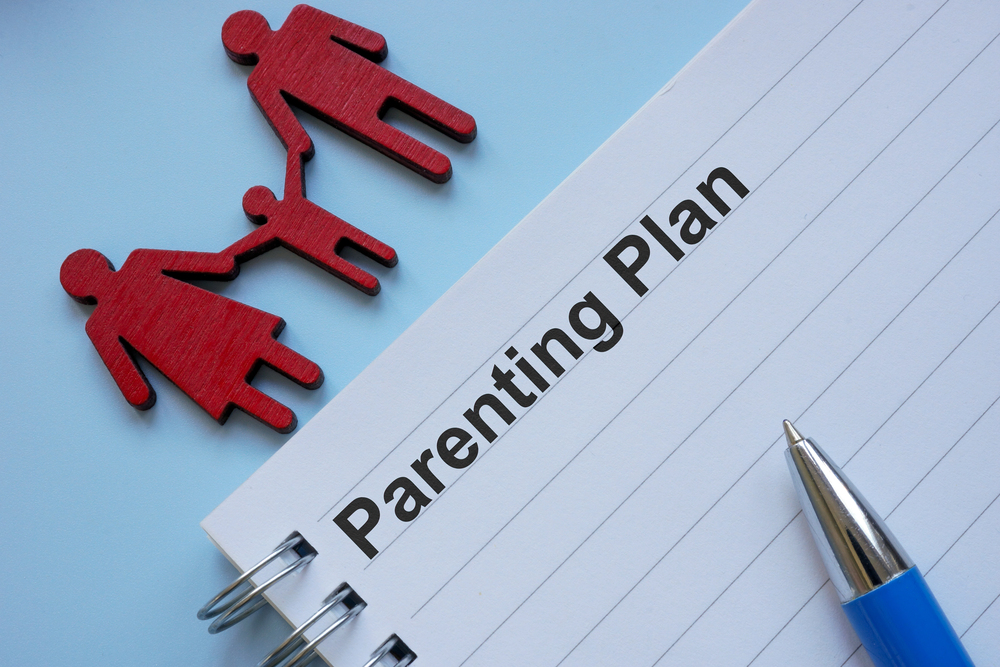
If you’re going through a separation or divorce in Tampa, FL, it’s always in your best interest to create a parenting plan that works for your family rather than leave things up to the court. A timesharing parenting plans attorney can make this process smoother by explaining your rights and responsibilities under Florida law and helping you craft a plan the courts will find acceptable.
Read the rest of this entry »
Sinkhole claims in Orlando, FL fall under some specific state laws and have unique insurance requirements. If you’re dealing with a sinkhole, call an experienced sinkhole claims attorney to make sure your claim has the best chance of success.
Read the rest of this entry »Florida’s Mandatory 2‑Hour Legal Professionalism CLE: What Tampa Attorneys Need to Know by Mid‑2026
Florida attorneys: are you aware that by mid‑2026, every active member of The Florida Bar must complete a 2‑hour Florida Legal Professionalism CLE? This newly emphasized requirement is now mandatory within each 3‑year CLE reporting cycle and many lawyers are just now discovering it.
At HD Law Partners, we stay current on regulatory updates impacting the Florida legal community. While our firm does not provide CLE or compliance services, we believe that staying informed on Florida Bar requirements is part of responsible practice. That’s why we share important updates like this as part of our mission to uphold professionalism, integrity, and service in the legal profession.
If you’re facing legal challenges in Tampa or throughout Florida whether in civil litigation, insurance disputes, or family law matters HD Law Partners is here to help. Reach out at 813‑253‑5333 or contact us online.
What Is the New Florida Legal Professionalism CLE Requirement?
As mandated by the Supreme Court of Florida, all active attorneys must now complete a specific 2‑hour Florida Legal Professionalism course during each CLE reporting cycle (every 3 years). This course is distinct from other professionalism credits and is:
- Produced and offered by The Florida Bar
- Free of charge
- Required by mid‑2026 for current cycles
More information and access to the course is available directly on The Florida Bar’s official site.
Why Is This Important for Florida Lawyers?
Completing this CLE is more than a technicality. It signals a deeper commitment to legal ethics, client communication, and respect within the profession.
- Compliance is required attorneys who do not complete this course on time may face administrative penalties.
- It reinforces best practices improving how we engage with the courts, clients, and colleagues.
- It’s easy to complete the course is free, self-paced, and online.
HD Law Partners is not affiliated with The Florida Bar CLE program, but we believe that sharing important updates like these helps reinforce a legal culture rooted in professionalism, something our firm practices every day in and out of the courtroom.
Stay Compliant. Stay Informed. Stay Professional.
The legal community is strongest when all of us are informed and accountable. That’s why we encourage Florida attorneys particularly in the Tampa Bay region to make this professionalism CLE a priority.
To find the free course, visit The Florida Bar’s Professionalism CLE page. It’s accessible 24/7 and satisfies the specific 2‑hour requirement within the current reporting cycle.
If you have legal concerns outside of CLE compliance including disputes, litigation, or family legal matters HD Law Partners is here to assist. Call 813‑253‑5333 or contact us online.
Why HD Law Partners Shares Updates Like These
While we don’t provide CLE assistance or regulatory advisory services, HD Law Partners frequently publishes legal insights to keep our colleagues and community informed.
As a full‑service Tampa law firm, our core practice areas include:
- Family Law & Divorce
- Insurance Litigation
- Insurance Attorney Services
- Business and Corporate Litigation
Final Reminder: Don’t Miss the Mid‑2026 Deadline
If you’re a Florida attorney, now is the time to complete the mandatory 2‑hour Florida Legal Professionalism CLE. It’s easy, free, and required don’t risk penalties or rushed compliance as the deadline approaches.
To access the course and stay compliant, visit The Florida Bar’s official page.
And if you need trusted legal representation in Tampa or anywhere in Florida from litigation to complex disputes HD Law Partners is ready to serve. Call 813‑253‑5333 or contact us online to connect with our experienced team.

When an insurance company denies a valid claim or handles it unfairly, legal action could be your best option. Hiring a Sarasota, FL insurance litigation attorney early will mean you fully understand your rights and the path forward.
What Steps Are Involved in Filing an Insurance Litigation Case?
Consulting an Insurance Litigation Attorney
A lawyer can help a lot, right from the beginning. Your lawyer will review your policy, the denial, and the evidence to assess if you have a strong case. They’ll explain all your legal options, handle all communications with the insurer, prevent you from saying or signing anything that harms your position, and help you decide if suing is worth the time and cost.
Attempting Pre-Litigation Resolution
The process really begins when your lawyer sends a demand letter to the insurer outlining the facts, any policy violations, and what you’re requesting in compensation. This letter usually also includes calculations for damages. At that point, the insurer will usually respond with a counteroffer.
You may go into mediation at this point, and often this resolves things. If you can come to a settlement, you’ll save on court fees and have access to your payout more quickly. But even with a mediation, you’ll want the help of a lawyer. Your lawyer will protect you from signing any deals that aren’t in your best interests and will bring experience in negotiation to your side of the table.
Filing in Sarasota, FL Court
If the negotiations fail, then you’ll confirm the right court jurisdiction and file a lawsuit. Your attorney drafts the complaint, which is the formal document that starts the lawsuit, and names you as the plaintiff and the insurance company as the defendant. The complaint states the key facts of the case and specifies the relief you seek.
After the court accepts the filing, the clerk issues a summons, which tells the defendant they have to respond to the lawsuit within a set period. Once the defendant files an answer to admit, deny, or raise a defense, the case moves into discovery. During this phase, both sides exchange information and evidence, and this phase can take a while. During the process, either side may file motions with the court.
Going to Trial
If the parties cannot settle during the discovery phase, the case proceeds to trial. The judge sets a trial date, and both sides prepare by organizing evidence, lining up witnesses, and drafting arguments. At trial, the lawyers for both sides give an opening statement and then present the evidence, call witnesses as necessary, and try to undermine the evidence of the other side. If you win, the court enters a judgment awarding the damages that were proven at trial. Either party can appeal an unfavorable decision, though your appeal has to argue that there were legal errors in the original case. Neither side can just re-try the facts a second time.
Wherever you are in the process of trying to get what you’re owed from an insurance company, we can help. Contact HD Law Partners today for help in Sarasota, Tampa, Orlando, or Fort Myers, FL.
How Are Fire Damage Claims Handled by Insurers?
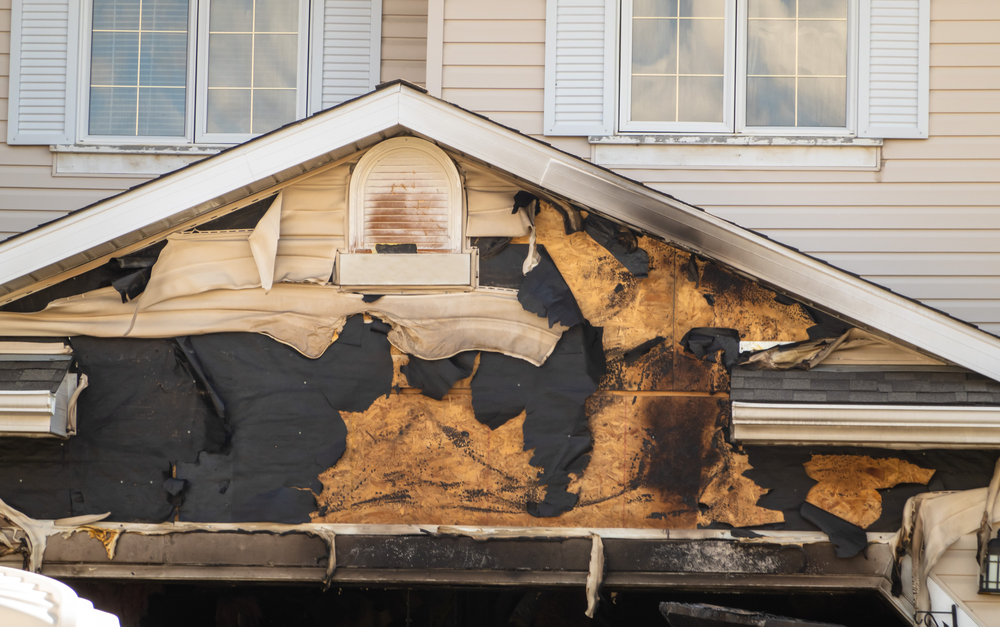
Fire damage can easily ruin your home or business, and after a disaster, you expect your insurance company to step up. The process of handling a claim involves multiple steps, from initial acknowledgment to final resolution, and there can be misunderstandings and delays all along the way. A Fort Myers, FL fire claims attorney can help you keep your claim moving and your insurer honest.
How Are Fort Myers, FL Fire Damage Claims Handled by Insurers?
Initial Acknowledgment and Response
Upon receiving your claim, your Florida insurer should promptly acknowledge that they got it: they have a max of 14 days to do so under Florida law. The insurer has to then assign a claims adjuster, and this adjuster will be your primary point of contact. They’ll gather details about the incident and your coverage. During this phase, the insurer may request access to your property so they can do an on-site inspection, and they’ll likely coordinate with the local fire department, as well.
Investigation
Next, your claim enters a more detailed investigation phase. The insurer will often hire specialized investigators like fire origin experts and forensic engineers to determine if the fire was accidental, electrical, or due to other causes. This investigation helps them rule out fraud or intentional acts, which could void your coverage, but they are also looking for any evidence that some negligence on your part contributed. Remember that an insurance company is a business, and a business exists to make profit. That gives them a strong incentive to find a way to deny or minimize a claim.
Damage Assessment and Valuation
With evidence in hand, the next step is to assess the damage and categorize losses into dwelling, personal property, and additional living expenses according to what’s outlined in your specific policy. For the structure itself, the adjuster will calculate the repair costs using standardized pricing for materials and labor in Florida’s market, consider depreciation for older items, and will apply either an actual cash value or replacement cost value, depending on the coverage you have in your policy.
If you’re making a personal property claim, you’ll need to provide a detailed list of destroyed items, and it’s common for insurers to require an appraisal for high-value assets. Additional living expenses, such as temporary housing you might need, are generally reimbursed based on the receipts you provide, up to the policy’s limit.
Claim Evaluation and Decision
After doing the assessment, the insurer will evaluate the claim against your policy. Insurers use actuarial models that are designed to be fair but also to minimize coverage as far as is legally possible. They should, however, give you an explanation if they’re only giving partial coverage. Your lawyer can help you to combat both full and partial denials as well as push back if coverage doesn’t reach your policy limits and is inadequate for your losses.
Payment and Settlement
Once the claim is approved, payment should be issued for all undisputed amounts. Funds are often released in stages, and for large claims, it’s common to require contractor estimates before making a full disbursement.
Talk to a Fire Claims Attorney
As you can see, this process is complicated, and there are many points along the way where an insurer may delay or work to minimize your claim and protect themselves. Talk to us today at HD Law Partners in Fort Myers, Orlando, Sarasota, or Tampa, FL today for help with your claim.
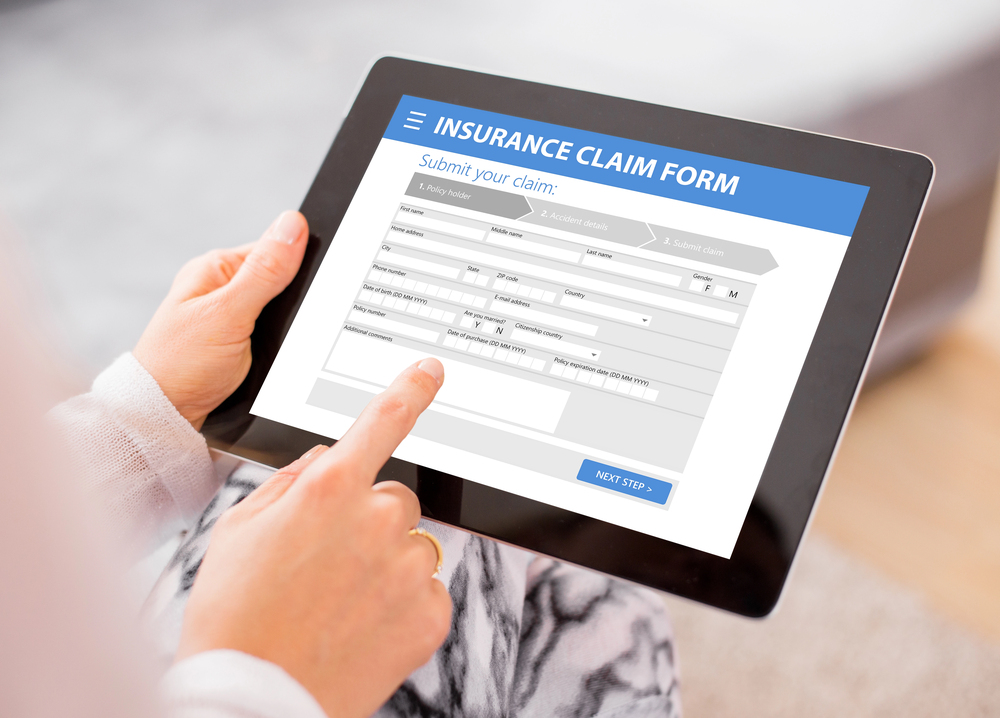
Tampa, FL is a wonderful place to live, but there’s no denying that storms and flooding are fairly frequent. If your property has been damaged, talk with a property & casualty attorney if you’re having any issues with your insurance company. Insurance issues are notoriously difficult to solve in our state, but an experienced lawyer can help.
What Are the Most Common Types of Property and Casualty Claims in Tampa, FL?
Water Damage
Possibly the most common claim of all is water damage, and that’s because water damage can come from so many issues. Storms, of course, are always a concern, and storm surges during hurricanes can inundate your property. We also have heavy rainstorms even when there is no hurricane, and don’t forget about issues within the house itself, like a plumbing failure or the malfunction of an appliance.
Wind and Hurricane
This is Florida, which means hurricanes and tropical storms are simply a reality of life. These storms bring strong winds that can damage windows, siding, your roof, and even the overall structural integrity of your home. Hurricanes often come with hail as well, and this can cause a huge issue with your roof and require expensive repairs.
Mold Damage
Given how frequent storms are and how much flooding is an issue, it’s not surprising that mold damage is a common claim here in Florida. Our environment is ideal for the growth of mold, and it can happen rapidly once water gets in, whether that’s because of a storm or a leak or just because your indoor humidity has gotten too high. Even if no water has actually entered, if a power outage takes out your air conditioning for enough days, mold can take hold.
Fire and Lightning Damage
We usually think of the wind and the water damage first when we think of Florida storms, but Florida also has more lightning strikes than any state in the USA. Lightning strikes can start fires, and of course fires can also result from accidents and electrical issues. Fire claims can include not only repair of damage caused by the flames themselves but also secondary damage from smoke and from the water that’s required to put out the fire.
Vandalism and Theft
Florida is not unique in this area. It’s simply an unfortunate reality that some people tried to steal from others, and in doing so often caused damage to a home.
Contacting a Property & Casualty Attorney
Even if you have a valid claim, it’s not uncommon for the insurance company to either deny it or offer you a settlement that’s much too low. They may claim that the cause of the damage is not covered, that you don’t have enough documentation, or that you did not do enough to mitigate the damage once you realized it was happening.
Don’t try to go up against a powerful insurance company on your own. Reach out to the HD Law Partners in Tampa now for help. We also help clients in Fort Myers, Orlando, and Sarasota.

Whether you’re building your dream home or have just purchased a home that’s supposed to be brand new, poor construction work or materials that lead to structural defects can turn your dream into a nightmare. Contact a Sarasota, FL structural defects lawyer right away if you’re experiencing issues so we can get started on recovering the compensation you deserve under the law.
What Legal Options Are Available for Sarasota, FL Structural Defect Cases?
Contact a Structural Defects Lawyer
Everything starts when you talk to a lawyer. We can help you gather the evidence you need to prove that there are issues and then go through all the hoops that are required before you can bring a lawsuit. These are very important, and a single mess-up can destroy your case. If you don’t give the right notice, at the right time, if you miss a deadline, or you file something incorrectly, you might be left with no options. A lawyer will protect you from all these issues.
Sending Your Notice
Under Florida laws, your first step is to notify the developer of your property or your contractor about the defect. This is known as a Chapter 558 notice, and it needs to describe clearly where your property is located, the nature of each defect discovered, and all known damage that has resulted from this defect. Under the law, the contractor has 30 days to respond and get the property inspected. They have to fix the issue, settle the matter by compensating you, or bring a formal dispute against your claim.
Filing a Lawsuit
If the contractor does not get back to you within the required timeframe or the offer they make is unacceptable, then bringing a lawsuit becomes your next option. It’s usually better to settle without going to court if at all possible, but sometimes there’s no other option. An experienced lawyer will be able to tell you whether the time is right to bring a lawsuit, what to expect, and what the likely outcome will be.
Filing a lawsuit starts with filing a complaint. Then you enter a period known as “discovery.” During this time, both sides exchange evidence and documentation, get expert analysis, and request depositions.
During discovery, and even after it, you can engage in mediation or settlement discussions. If you’re able to come to a settlement at this point, it will usually be the best option, and if you have a strong case with lots of evidence, it’s likely you’ll be able to settle. But if no settlement is possible, the case will go to trial. At the trial, you can request damages to cover the cost of any repairs you’ve had to make, reimbursement for any temporary housing that you had to get, reimbursement for your attorney fees in some cases, and compensation for the diminished value of your property.
If you’re facing a home with defects, you don’t have to just live with it. Reach out to HD Law Partners now for help in Sarasota, Tampa, Fort Myers, or Orlando.
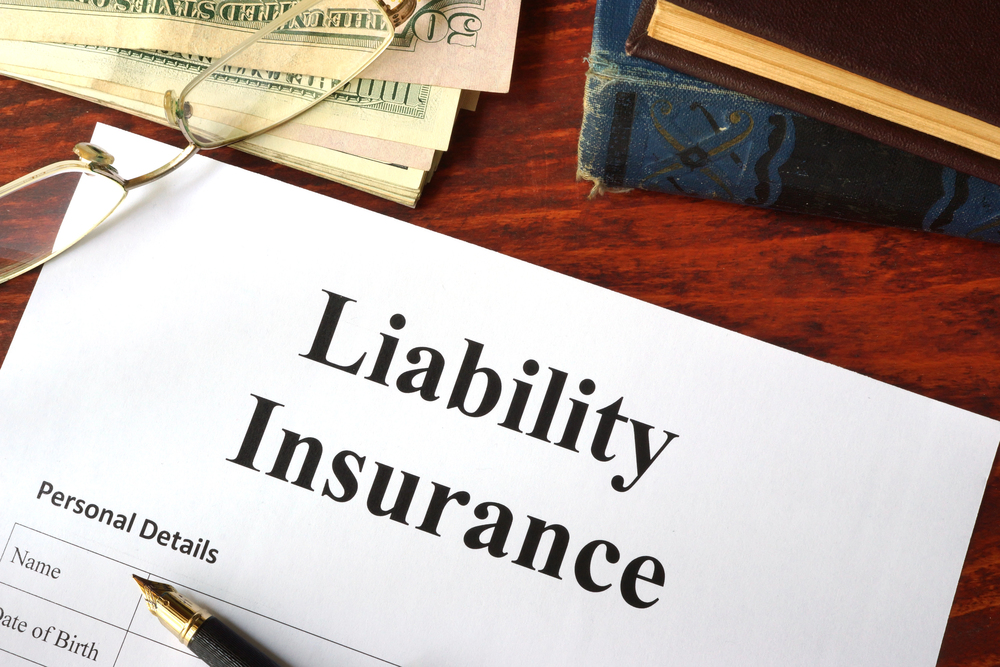
Florida has some busy roads, and we have a lot of car accidents here in Bradenton, FL. Understanding how auto liability works is important to protecting your rights, and you should talk to an auto liability lawyer quickly if you’ve been in an accident.
From an Auto Liability Lawyer: Auto Liability in a Bradenton, FL Car Accident
Florida has a no-fault insurance system. All drivers in Florida are required to carry personal injury protection insurance, or PIP. The law requires that this insurance cover 80% of your medical expenses, 60% of your lost wages, and provide $5,000 in death benefits to your beneficiaries if an accident should be fatal. PIP is supposed to cover drivers no matter who is responsible for an accident.This rule means that there are fewer liability claims in Florida, particularly with small accidents, but it does not do away with liability completely. When someone is responsible for an accident and there is property damage (which isn’t covered by PIP), the responsible person can be held liable. Their property damage liability (PDL) coverage would kick in at this point. This is also a requirement in Florida, and all drivers need to have at least $10,000 of PDL coverage.Bodily Injury Liability (BIL) coverage, however, is optional for most. BIL coverage provides liability coverage for causing injury to another person that exceeds what PIP can cover. That’s because ,when injuries are bad enough, victims in Florida are allowed to “step out” of the no-fault system and bring a liability claim against the at-fault driver.
Auto Liability Threshholds
In order for an injured party to bring a liability claim, they have to have injuries that go beyond the threshold for “serious” laid down in Florida law. Their injuries must be one of the following:
- A significant and permanent loss of an important bodily function
- A permanent injury, excluding scarring or disfigurement
- Significant and permanent scarring
- Death
In most cases, victims have two years to bring a claim after an accident. If you don’t bring a claim within that time limit, you won’t be able to bring one at all except in rare cases. Extensions are usually only granted if the injured person was legally incapacitated at the time of the accident (such as if they were in a coma after the accident), if the responsible driver left Florida before the lawsuit could be filed (in which case the time limit begins when they return or it becomes possible to bring a lawsuit), or if the responsible driver hid, changed their name, or otherwise attempted to avoid being served with the lawsuit.
Property Damage Liability
When it comes to property damage, there is no threshold that needs to be met. PDL liability applies immediately to whoever is at fault for the accident, and their PDL coverage should reimburse the other party for vehicle damage or property repair up to the limits of the policy.Things can get complicated in any car accident. If you’ve been in a wreck, contact HD Law Partners in Tampa, FL now for help. We also serve clients in Fort Myers, Sarasota, and Orlando.
It Has Been One Year Since Hurricane Irma: Have You Filed Your Insurance Claim, Or Resolved Your Insurance Dispute?

September 10 marks the one-year anniversary of Hurricane Irma and the devastation it left in Florida. As we circle back to this date, it is crucial for a number of families and businesses that experienced damages due to the hurricane to think about potential hurricane claims, insurance policies, and deadlines to recover benefits.
After Irma, many businesses were simply focused on getting back up and running again. Filing an insurance claim was, for many, an overwhelming task to add to the chaos, especially given the many questions that had to first be answered before the claim could even be filed; questions such as: what losses can/should be claimed, under what provisions, am I covered for flood issues, etc. This only became more complicated by the many responses received by insurance companies, which sometimes refused to honor claims altogether—indicating that the policyholder had no coverage—for unclear reasons.
Below we discuss some of the issues that you and your attorney should discuss in attempting to identify any potential past and future claims:
Figuring Out Business Interruptions
When trying to figure out whether your business experienced any interruption, and if so, when that began, your instinct might be to assume that this is the date Irma made landfall. However, in order to properly protect yourself, you need to be a bit broader in this perspective, as also look at how business was disrupted long before even the first wind reached shore. For example, in many parts of Florida—including areas such as Miami-Dade County—businesses and residents were also under strict evacuation order before Irma fell.
You will also want to discuss the following issues with your hurricane insurance claim attorney: the period of time necessary to rebuild, repair, or replace the damaged property, the length of time that lost income is covered, any areas of uncertainty, such as accounting history to establish revenue from prior years, etc.
What about the Statute Of Limitations?
While the statute of limitations for breach of contract under Florida law is five years, there are often exceptions hidden within the insurance policy itself. Some policies effectively replace the state statute of limitations with extremely short windows, such as providing only one year to file a lawsuit over any unpaid proceeds.
Other surprises can stem from when this period starts to run—i.e. does it run from the date Irma made landfall, or when the insurer issued its coverage decision? This is connected to—and can similarly affect—policies that require pre-suit mediation, or impose waiting periods if negotiations have failed. As a result, some policyholders do have to decide—sooner rather than later—whether to accept an offer, abandon a claim, or litigate.
Do not try to Navigate in the Dark: Speak with an Experienced Hurricane Insurance Claim Attorney
If you suffered due to hurricane Irma, do not let yourself be overwhelmed by surprises.Contact one of our experienced Florida hurricane insurance claim attorneys at HD Law Partners to get the help you need from the insurance policy you have dutifully paid in order to rebuild your life.
Resource:
law.com/dailybusinessreview/2018/08/14/clock-ticks-for-irma-insurance-claims-dont-leave-money-on-the-table/
Connect with us


- April 2026
- March 2026
- February 2026
- January 2026
- December 2025
- November 2025
- October 2025
- September 2025
- July 2025
- June 2025
- January 2025
- January 2024
- December 2023
- November 2023
- October 2023
- September 2023
- August 2023
- July 2023
- June 2023
- May 2023
- April 2023
- March 2023
- February 2023
- January 2023
- December 2022
- November 2022
- October 2022
- September 2022
- August 2022
- July 2022
- May 2022
- April 2022
- March 2022
- November 2021
- October 2021
- September 2021
- August 2021
- July 2021
- May 2021
- April 2021
- March 2021
- February 2021
- January 2021
- December 2020
- November 2020
- October 2020
- August 2020
- July 2020
- June 2020
- May 2020
- April 2020
- March 2020
- February 2020
- January 2020
- December 2019
- November 2019
- October 2019
- September 2019
- August 2019
- July 2019
- June 2019
- May 2019
- April 2019
- March 2019
- February 2019
- January 2019
- December 2018
- November 2018
- October 2018
- September 2018
- August 2018
- July 2018
- June 2018
- May 2018
- April 2018
- March 2018
- February 2018
- January 2018
- December 2017
- November 2017
- October 2017
- September 2017
- August 2017
- July 2017
- June 2017
- May 2017
- April 2017
- March 2017
- February 2017
- January 2017
- December 2016
- November 2016
- October 2016
- November 13
Archives
- Alimony
- Appellate
- Arbitration
- Auto Accidents
- Auto Insurance
- Business Corporate
- Business Insurance Law
- Child Custody
- Child Support
- Criminal Law
- Divorce
- Family Law
- FEMA Insurance Payments
- Florida’s Mandatory 2‑Hour Legal Professionalism CLE:
- Foreclosure Defense
- Fort Myers Hurricane Insurance Attorney
- General
- Guardianship
- HD Law Partners Service
- HOA/Property Management
- Homeowners Association
- Homeowners Insurance
- Hurricane Claims
- Hurricane Insurance
- Insurance Bad Faith
- Insurance Claims
- Insurance Defense
- Insurance Litigation
- Landlord Tenant
- Law Enforcement Liability
- Loan Modifications
- Mold Water Damage
- Parental Rights
- Paternity
- Personal Injury
- Premises Liability Law
- Prenuptial Agreements
- Private Security
- Property Distribution
- Property Owner Law
- Sarasota Insurance Litigation Attorney
- Slip Fall
- Tampa Business and Corporate Attorneys
- tampa family attorney
- Tampa Insurance Attorneys
- Timeshare
- Timesharing
- Uncategorized
Categories

HD Law Partners is proud to be your trusted full-service law firm