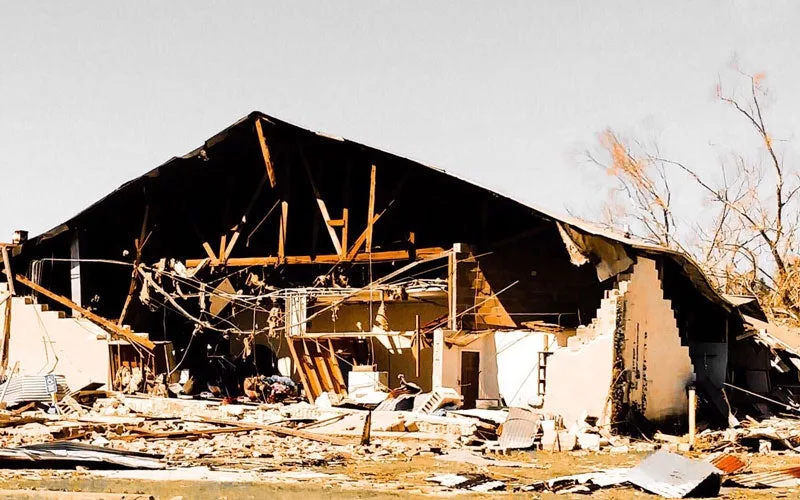
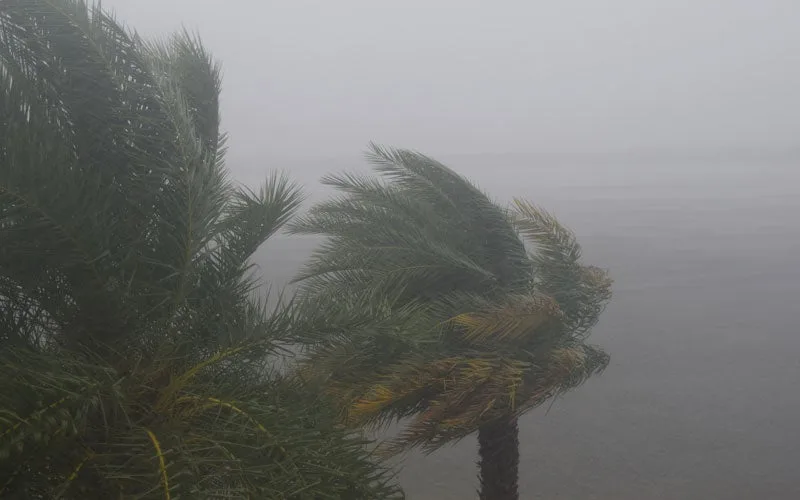
Tampa, FL is a wonderful place to live, but there’s no denying that storms and flooding are fairly frequent. If your property has been damaged, talk with a property & casualty attorney if you’re having any issues with your insurance company. Insurance issues are notoriously difficult to solve in our state, but an experienced lawyer can help.
Possibly the most common claim of all is water damage, and that’s because water damage can come from so many issues. Storms, of course, are always a concern, and storm surges during hurricanes can inundate your property. We also have heavy rainstorms even when there is no hurricane, and don’t forget about issues within the house itself, like a plumbing failure or the malfunction of an appliance.
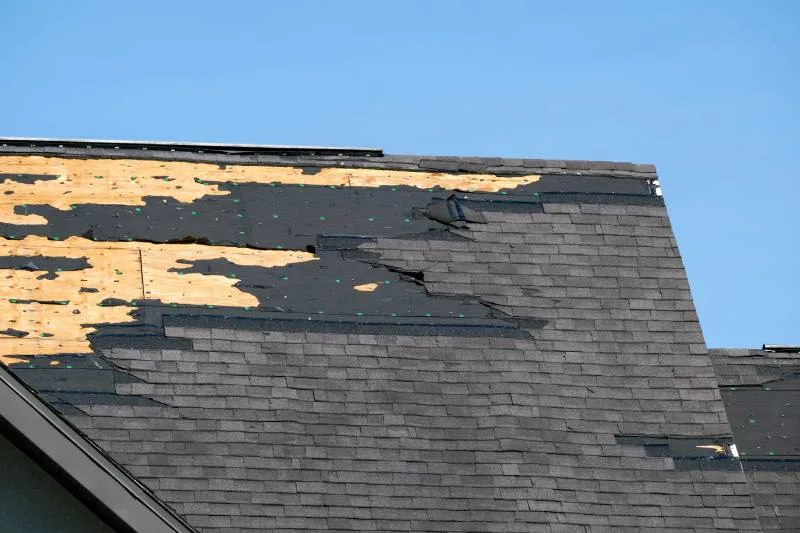
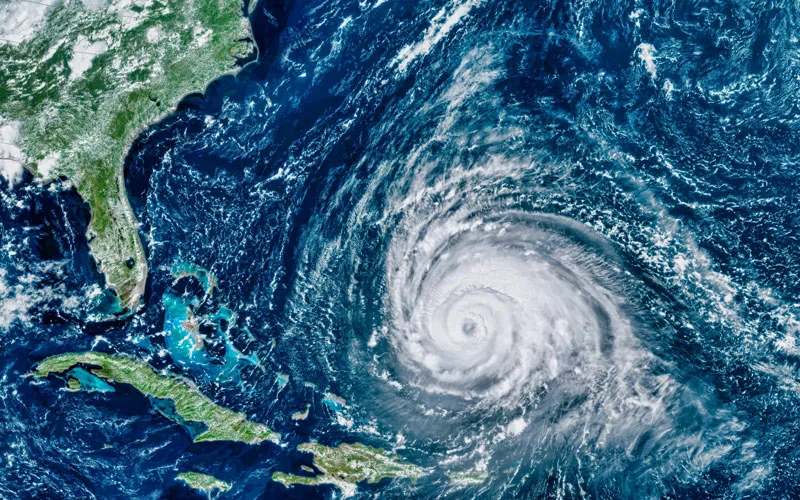
This is Florida, which means hurricanes and tropical storms are simply a reality of life. These storms bring strong winds that can damage windows, siding, your roof, and even the overall structural integrity of your home. Hurricanes often come with hail as well, and this can cause a huge issue with your roof and require expensive repairs.
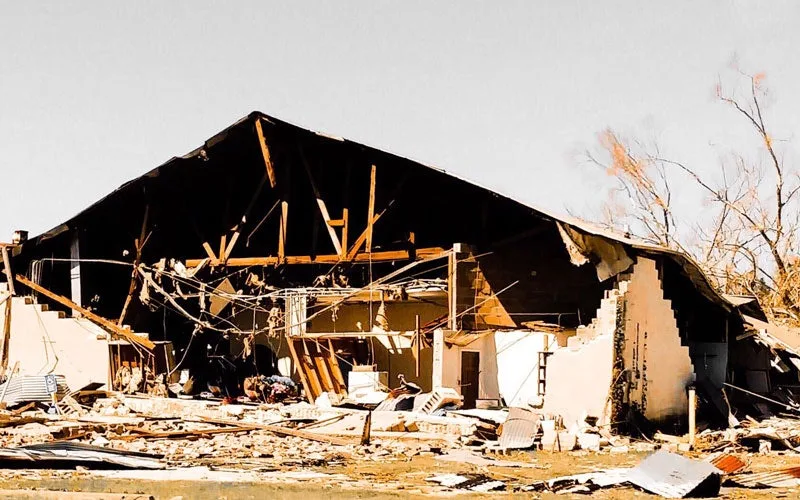
Living in Florida, everyone is familiar with the devastating impact hurricanes can have on properties. In the aftermath of a hurricane, filing an insurance claim is often the first step towards recovering the losses and rebuilding lives, but there are times when insurance companies deny hurricane claims, leaving policyholders frustrated and unsure of what to do next.
Talk to connect with a Tampa insurance attorney about next steps if you experienced a Florida hurricane claim denial. When you seek legal assistance and follow the right path, your chances of obtaining the compensation you deserve increases.
One of the first steps you should take if you are pursuing hurricane expense recovery is to carefully review your insurance policy, paying close attention to stated reasons why a claim could be denied. When you understand specific terms, coverage limits, and exclusions in your policy, it can be easier to determine whether the denial is justified or there are valid grounds for challenging a denial.
When you purchase a homeowners’ insurance policy, you expect your insurer to fulfill their obligations. You wholeheartedly believe that your insurance company will help you through difficult times and provide peace of mind in the event of natural disasters, accidents, and other incidents.
Homeowner’s insurance companies have a duty to act in good faith, but many breach that duty by delaying the claims process, a practice known as “stalling.”
If your insurance company fails to process your homeowners’ insurance claim within a reasonable time, you may have legal grounds to file an insurance bad faith claim. Consult with our Tampa homeowners’ insurance attorneys at HD Law Partners to discuss your particular situation.
Homeowners’ insurance companies employ a variety of bad faith strategies, including stall tactics, to avoid or delay paying claims. Since insurers are profit-motivated companies, they are trying to increase their revenues by using stall tactics.
You most likely had your home appraised before purchasing it. However, home purchase appraisal and insurance appraisal is not the same thing.
If you are trying to determine how much your homeowners’ insurance company owes you through the appraisal process, do not hesitate to contact an experienced Sarasota homeowners’ insurance attorney to ensure that all of your damages and losses are taken into account when determining the value of your insurance claim.
Basically, the insurance appraisal process refers to the valuation of your insurance claim. Insurance companies use an appraisal to determine the value of the policyholder’s losses.
Both the insurer and the homeowner hire an independent and neutral appraisal to determine a fair settlement offer.
Your insurance company saying that your damages or losses are covered under your homeowners’ insurance policy is half the battle. There is no guarantee that your insurer’s settlement offer will reflect the full scope and extent of your losses.
If your homeowners’ insurance company requests a Sworn Proof of Loss, commonly referred to as SPOL, after you file a claim, you may not know how to respond because you don’t know what SPOL is.
Submitting a Sworn Proof of Loss, or SPOL, is a fundamental part of the homeowners’ insurance claims process. When you submit a SPOL and what information you provide in this legal document can affect the outcome of your insurance claim.
For this reason, it is important to understand what Sworn Proof of Loss is and contact an Orlando homeowners’ insurance attorney if your insurance carrier requested a SPOL.
Basically, a Sworn Proof of Loss is a statement that you are required to make under oath to your homeowners’ insurance company. In the SPOL, the claimant must detail the damages they sustained as a result of a covered loss (e.g., hurricane damage).
A SPOL is an affidavit that you submit to your insurance company. As you can guess, the information you provide in this statement could be used against you to undervalue or deny your homeowners’ insurance claim. For this reason, you should ensure that your SPOL is accurate, complete, submitted promptly, and does not contain any incorrect information.
The State of Florida is no stranger to hurricanes that leave behind a path of destruction. Catastrophic storm surges and extreme winds and flooding can cause millions or billions of dollars in property damage.
If you are a homeowner who has suffered extensive property damage due to a hurricane, there are things you can do to maximize your settlement when pursuing a hurricane insurance claim.
How to Maximize Your Hurricane Insurance Claim Settlement?
If you suffered the destructive power of a hurricane in Tampa, Orlando, Fort Myers, or other parts of Florida, follow these five tips to maximize your settlement when filing a hurricane claim with your insurance company:
What to Do if the Insurance Company Acts in Bad Faith?
If you believe that your insurance company acts in bad faith when handling your hurricane insurance claim, do not hesitate to contact an insurance bad faith attorney to fight back and protect your legal rights.
There is no question that Hurricane Michael has wreaked incredible devastation to many Floridians, both destroying their homes and their places of work. While a number of media outlets have focused on the estimated damage to agricultural resources and related business operations, as of late, new housing has emerged as one of the most challenging struggles for those affected by the hurricane.
The damage wreaked by Michael not only affected a number of property owners, but those who depend upon spring tourism as well. With a number of businesses now awaiting the arrival of beach tourists to make up for their losses, those displaced by the hurricane who still have not been made whole by their insurance companies are concerned that they could find themselves homeless, as they have, up until now, had to depend upon temporary housing which could now be turned over to tourists. According to reports, their monthly and weekly rates are now expected to double, while others are being turned out without the option of lease renewals.
Sadly, many Florida homeowners and condominium associations are being given the same disappointing answer from their insurance companies after suffering significant damage from Hurricane Irma: the insurance company thinks that patchwork repairs are enough to fix the problem, while contractors indicate that a complete replacement is necessary.
Unfortunately, these battles are now preventing many from moving forward and getting property damage addressed, leading to many to turn to attorneys to assist with ensuring that the insured’s rights under the insurance policy are enforced.
One of the most common issues we hear about is being provided different instructions by different people from the insurance companies, and having to resend flood insurance claims several times as a result. Although many insurance agents sell these flood policies, a lot of them still do not have experience with the national flood insurance, which can lead to issues later on in getting claims addressed.
According to recent reports, the top 20 property insurers in Florida were served with more than 10,000 lawsuits over hurricane Irma claim denials just between January and March, reflecting a more than 61 percent increase from last year.
Universal Property & Casualty Co.—Florida’s largest insurer—noted that the company has received close to 80,000 Hurricane Irma-related claims, including many from Broward, Miami-Dade, and Palm Beach counties. In addition, Irma-related claims account for close to 60 percent of all new claim-related litigation filed against Citizens Property Insurance Co. (the second largest insurer in Florida).
Inadequate Recovery Also Remains an Issue
Not all of these claims involve outright denials; a good percentage also involve challenges to the companies’ decisions about the scope of damages, arguing that the amount paid to homeowners was inadequate. A good percentage also involved the determination that policyholders were owed nothing at all because the loss calculated did not surpass the policy deductible.
According to the Palm Beach Post, with Florida only one and a half months away from the next hurricane season, less than 57 percent of Hurricane Irma insurance claims have been closed with insurance payments, leaving many home and business owners at a loss, wondering if they will ever hear back on their insurance claims, and whether perhaps those claims will be denied due to the $8.6 billion backlog on them.
In addition, industry officials recently acknowledged that they may have underpaid on tens of thousands of claims they declared closed after September. For example, Florida state-run Citizens Property Insurance just reopened more than 24,000 Hurricane Irma claims to review as more information has become available.
With so many Florida property owners feeling abandoned and on their own, insurance companies are now concerned about litigation. In particular, it is of concern that many claims are declared closed in the first place, only to be reopened once legal concerns are expressed.
Following the significant damage that Hurricane Irma inflicted on the state of Florida, storm damage and recovery is a major priority on the Florida legislature’s agenda this year. The session opened on January 9th, with the Florida House focusing on storm preparations and recovery, and the Senate on economic damage.
According to the National Oceanic and Atmospheric Administration, Hurricane Irma caused $50 billion total in damages, with more than $7 billion in property damage claims filed in Florida alone.
Hurricane Victims & Unfair Treatment by Insurers
As discussed by a Forbes article, homeowners and others in Florida filing claims from Hurricane Irma can continue to “expect storm clouds ahead” in terms of these claims being fairly addressed.
Most of the claims related to Hurricane Irma are linked to wind damage; specifically: 300,000 for wind and an estimated 150,000 for flood damage, totaling around $40 billion for these alone. Insurers have reportedly been steadily increasing hurricane wind coverage deductibles and setting new limits on payouts, shifting much of the cost onto the homeowner in the form of a clause or phrase buried in the paperwork that those purchasing the policies likely did not know about. These clauses are known as “anti-concurrent causation clauses,” which remove coverage for wind damage if an “uninsured flood” occurs at the same time, and they are virtually impossible to find and comprehend within insurance policies.
When it comes to hurricane claims, the last thing that any Floridian wants to hear is that their claim has been denied. And yet that is the case for many in our state, especially when it comes to flood claims.
In fact, according to statements made by the Federal Emergency Management Agency (FEMA) in this recent Miami Herald coverage, regardless of what flood zone maps might be telling you regarding whether or not you need to purchase flood insurance, everyone in Florida needs flood insurance.
Irma Delivered Historic Flooding
When Hurricane Irma hit Florida in September, it rolled across the Lower Keys and pushed a storm surge across the islands, continuing to swamp the coastline as it moved along Southwest Florida. Many homes filled up with mud five feet deep, and water swamped the business district, washing out over the seawalls and out of the Miami River. In Jacksonville in particular, the high tide caused the St. Johns River to swell and lead to the worst flooding in a century.
The U.S. Eleventh Circuit Court of Appeals (covering Florida) recently made a decision helpful to insurance companies fighting insurance bad faith claims. Specifically, the court held that no reasonable jury could find that an insurer’s failure to disclose information about additional insurance in its statutory insurance disclosure rose to the level of bad faith.
Florida Law: Contents of Policies
In this case, a driver struck a pedestrian, who was badly injured. When the driver’s insurer (Allstate) offered full policy limits to claimant, the claimant rejected the offer. Several months later, the claimant informed the insurer that they were willing to settle and requested that the insurer provide disclosure pursuant to Florida law, which lists what every insurance policy must specify. Specifically, every policy must specify:
Florida common law also recognizes that insurers must exercise good faith in handling claims against their insureds. If an insurer is found to have acted in bad faith, it is liable for the entire judgement against the insured in favor of the injured third party, including any amounts necessary beyond the policy limits.
You may not realize that, even as of early February, Florida still technically has 17 weeks left of hurricane season, with more and more potential property damage looming. As a result, emergency management officials in Sarasota and surrounding areas are scrambling to put lessons learned after Irma into practice to get ahead of more damage that could be coming to the state of Florida.
Two-thirds of hurricane-related deaths occur due to flooding and storm surge. Some of this organizing involves identifying which buildings can serve as emergency shelters, as well, as how evacuation centers are opened to the public and are both wheelchair-accessible and pet friendly.
Applying For Funding
What does this mean for all of the property damage, and the many individuals dealing with filing insurance claims, and either having those claims denied or delayed? Sarasota County is reportedly in line to receive $8 million in state mitigation funding to make structures more resilient in general.
Florida, like Texas and Puerto Rico, has been through a busy hurricane season that has been extremely difficult on residents: just as of September, there were five major hurricanes ranked at category three or higher in strength, 13 named storms, and eight hurricanes total in the Atlantic.
Hurricane Irma caused multi-billion-dollar losses, which includes approximately $20 billion in wind damage in Florida alone. Estimates for flood damage still have not been estimated, although the Office of Insurance Regulation documented more than $5 billion in private insurance claims for flooding and wind. A whopping 47 out of 67 of Florida’s counties were part of the disaster declaration.
Higher Rates, Permanently
Due to insurance deductibles, it is still unclear just how much Florida property owners will have to shoulder on their own. In addition, there is no question that impacts from this year’s storms will have an effect on private insurance rates. The last estimate indicated that 773,000 private insurance claims were filed due to Irma alone; this includes close to 99,000 for Miami-Dade, more than 63,000 in Broward County, close to 63,000 in Orange County, and almost 60,000 in Lee County.
Unfortunately, hurricane season was catastrophic this year. Because of warming sea temperatures, those like Harvey and Irma have triggered devastating and widespread flooding, with nearly 6.5 million people or a third of Florida’s population having to evacuate.
Thousands of Floridians are already having to apply for temporary disaster unemployment relief claims with the State due to Irma, most of them in Broward, Keys, and Miami-Dade counties. Residents are able to receive up to $275 per week for up to 26 weeks through March of 2018 through the Disaster Unemployment Assistance Program. This past year, the State had extended the application deadline to October 31.
But what about property damage? Most Floridians rely on their insurance companies to help address any property damage suffered after hurricanes. And yet, many insurance companies will insist that they cannot cover property damage that is due to flooding, even if you live in an area where flood insurance was neither mandatory nor recommended because it historically has not had flooding issues.
To say that many Florida families have been waiting for assistance from the Federal Emergency Management Agency (FEMA) after Hurricane Irma is an understatement: It has been over a month, and still, many families are waiting for someone to come out and just inspect their flood-damaged homes so that they can move on and apply for assistance. While the agency arguably worked to address immediate needs, it has been completely inadequate at addressing the aftermath and in providing basic disaster assistance.
Many are now waiting for FEMA payments and/or have had their applications for assistance unjustly denied. One of the biggest issues is the backlog of properties to inspect, as citizens are not eligible to receive federal assistance until a FEMA inspector analyzes any damage done by the hurricane. Yet, as of now, the average wait for an inspection is one month in Florida, with some reportedly waiting more than 50 days. This has many, instead, placing their faith in filing effective insurance claims to try and rebuild their lives and properties after the disaster.
In some circumstances, FEMA is also empowered to authorize payments to policyholders even before inspections are done if the policyholder needs to cover an emergency expenditure (such as temporary housing) after the disaster.
HOA Contracts & Emergency Powers
The process of repairing and mitigating damages under programs like these can be very confusing. For example, while policyholders have an obligation to mitigate damages as much as they can, they are also told not to enter into any contracts without first running them by the homeowners’ association (HOA) and/or board first.
In addition, homeowners association should ensure that there are separate contracts for each unit and, if possible, have the owner of that unit separately contract for any emergency services such as water extraction from their unit. However, if this is not possible due to emergency circumstances, homeowners associations should exercise their rights under Florida law to ensure that any contract signed indicates that the HOA is only acting as an agent given the emergency circumstances. These powers are available on a very limited basis for the sake of protecting public health and safety.
Florida property owners have thus far filed reportedly $2 billion in claims to their insurance companies seeking assistance for damage caused by Hurricane Irma. The storm was ranked as one of the most powerful to hit the Atlantic, and killed at least 33 people in the state of Florida alone.
It is crucial that insurance companies are prompt in responding to hurricane claims, as the more time that passes without access to their homes, the more unnecessary costs they experience. Your level of protection largely depends upon what protection your state offers you.
Yet, while the state of Florida’s two largest insurers—Universal Property & Casualty and State Farm—have indicated that they have plenty of resources to ensure that their clients are taken care of after the storm, thousands of people in Florida are reportedly being told that their insurance policies will not cover the losses they sustained, indicating that they may have a fight ahead of them in getting the protection they’ve already been paying for years.
When it comes to running a homeowners association or condominium and all of the upkeep and operations associated with these types of properties, it is important to understand the ins and outs of insurance coverage and liability.
For example, “bare walls” insurance plans are often discussed in associations that want to limit the cost of water damage claims because each owner (versus the homeowners association) restores their own unit interior (including cabinets, walls, and floor coverings, as well as other interior finishes).
What Is “Bare Walls Coverage”?
“Bare walls” coverage is a type of insurance coverage purchased by condo or homeowners associations which typically applies to communally-used features in buildings (such as entryways). Associations typically use costs that they charge in HOA fees to cover this type of insurance policy. However, it is the most limited type of coverage that an association can purchase. Individual unit owners are required to purchase their own insurance to cover anything that is damaged within their units (for example, toilets, appliances, etc.).
Recently, one of the largest home builders in the nation lost a $16.3 million judgment to a condo association after the judge found that it had engaged in deceptive practices, leaving the association in poor financial condition.
The company—D.R. Horton—started developing the association—Majorca Isles Master Association in Miami Gardens—back in 2005, but decided to stop building when the recession hit. Because of this, many of the condo owners stopped paying their fees, resulting in a deficit for the association. In response, the directors appointed by Horton diverted funds to pay the expenses of the associations, breaching their fiduciary duty to the association, and ultimately shifting the economic loss of the company to the homeowners themselves by cutting services and amenities.
When Horton turned over management of all the associations to the homeowners in 2011, they had gaping holes in funding, leading to a Chapter 11 bankruptcy reorganization filing. The company also failed to keep detailed financial records and mischaracterized the income, recording unpaid assessments fraudulently as assets in order to give off the false appearance that the association was solvent, even though it was not.
A new survey conducted by PolicyGenius reveals that while many Americans may believe that they understand their insurance policies, in fact, they do not, resulting in the mistaken belief that they are often the victims of bad faith insurance decisions. Unfortunately, this mistake could end up costing policyholders a fortune: Not only did the survey find that only four percent of policyholders were able to correctly define the terms that correlate their co-pays, but most individuals did not understand the basics when it comes to co-pays, deductibles, and out-of-pocket maximums, even though they were overly-confident of their understanding.
Unfortunately, not only are consumers overconfident about their own out-of-pocket costs, many aren’t confident at all when it comes to selecting the right insurance plan for their needs. This results in policyholders not only being at risk of choosing the wrong insurance plan, but also misunderstanding their exposure to charges when they receive treatment.
Anyone who’s lived in Florida knows that we go through a “state of emergency” from time to time, either due to heavy rains, tropical storms, hurricanes, or other natural disasters. When there are events which give rise to property damage, this will inevitably lead to insurance disputes, as upkeep and welfare issues arise with respect to all of the various types of damage these disasters can bring.
With the number of condominiums and homeowners associations on the rise in the Sunshine State, inevitably, questions come up concerning whose responsibility it is to ensure that property and people are protected when these disasters occur. In that respect, it can be helpful for association boards to make it clear to residents, beforehand, what their responsibilities are with respect to their authority under the law.
The Law in Florida
Homeowners and condominium associations are provided with a certain amount of powers and protections under Florida laws. For example, under the Florida Condominium Act, the board of administration—in response to damage caused by an event for which a state of emergency is declared—may partake in activities necessary to protect the health, safety, and welfare of the association and mitigate any further damage, such as conduct board meetings, name assistant officers, enter into agreements with local counties and municipalities and/or contracts for items or services, implement a disaster plan, require evacuation, and engage in other necessary activities to protect the property and its residents.