

There are several important real estate cases coming up in 2018 which property owners, landlords, and business owners should keep their eyes on. Below, we discuss these in more detail:
Tenants Must Serve Out Remainder of Leases
In a December legal dispute between Starbucks and Simon Property Group LP, a judge sided with the property group in deciding that Starbucks paying out the remainder of its leases with Simon Property was not enough, and the company also had to keep its stores open even after paying off the leases. This is a new precedent, as there are millions of contracts between landlords and “tenants” (or businesses) with these exact terms in them; terms which have historically been interpreted to mean that monetary damages were sufficient for businesses like Starbucks to get out of their leases.
Office Space Models
In another big case, one ground lessor company (Siegel Family Associates LLC) has objected to the decision made by the landlord company (Cohen Brothers Realty & Development) to lease a separate office space to a company called WeWork, arguing that the lease would violate their own lease agreement because WeWork would not be occupying the space, but rather, subleasing it (due to the type of business WeWork runs, specifically, too many people would be “coming and going”). The question posed in the case is a unique one—indeed, it is a case of first impression—and one that will be watched closely, given the growing popularity of this type of office space model around the country.
Commercial Real Estate & Security
Another series of cases will likely have an impact not only on real estate, but on premises liability. They embody a cluster of cases filed by victims of the October 1st mass shooting in Las Vegas, and will likely create an increased focus on liability for owners and operators of large commercial real estate (hotels, casinos, etc.) because the shooter undertook the attack from a hotel.
These cases will likely also effectuate a change in security and the way that people are screened, as some real estate owners—particularly those linked to casinos—have already adopted particular security measures in an effort to avoid another incident like that one. These claims will likely not only clarify what is the appropriate amount and type of security for large commercial properties like these, but also where the boundary lies between surveillance that is protective enough, but not too intrusive such that it violates the privacy of hotel guests.
Florida Property Protection Lawyers
At HD Law Partners, our experienced corporate law, business litigation, landlord-tenant, and property owner protection attorneys have years of experience assisting real estate clients in resolving a broad spectrum of issues. If you are a landlord or property owner in need of legal assistance, we can help. We have more than 40 years of combined experience in representing owners in property disputes, and are dedicated to serving our Florida clients. Contact us today to find out more.
Resource:
law360.com/articles/977979/real-estate-cases-to-watch-in-2018

Even three months later, Hurricane Irma and corresponding hurricane insurance claim denials here in Florida are affecting businesses and negatively impacting tourism. While the Florida Keys in particular typically attract more than three million visitors a year—especially right around after Christmas is over—many of the big resorts remain closed after Hurricane Irma. And when hotels are closed, subsequent businesses—such as restaurants—also suffer.
Irma was Florida’s first major hurricane since 2004-2005, and left millions of Floridians without electricity; causing widespread damage; especially in the agricultural industry.
Hurricane Irma’s Cost to Florida
Hurricane Irma left its financial mark on the state of Florida: The category four hurricane caused more than $500 million in damages and destroyed more than 1,100 homes. Many of the properties that were damaged but not entirely destroyed are projected to remain closed until at least next fall, and many business owners have projected that it could take a full year or more to recover their losses.
According to some reports, the public and private costs are staggering, and include an estimated:
- $2.5 billion hit to crops and facilities;
- $6.55 billion in property damage claims;
- $1 billion or more to utility customers to cover the costs of getting power restored; and
- $2.5 billion from federal agencies to cover other hurricane-related losses.
Hurricane Maria has now also left its mark, as evacuees from the U.S. Virgin Islands and Puerto Rico make their way to Florida.
Lawmakers Look For Better Solutions during Next Storm
Florida lawmakers have put forth a variety of proposals to try and speed evacuations when storms hit the state, such as using cruise ships or passenger trains to get people out, or even extending the Suncoast Parkway toll road North of Tampa Bay. Other recommendations include placing utility lines underground and strategically locating petroleum distribution centers, as well as investing in highway-railroad crossings so that they are better able to get much-needed supplies—such as fuel—out to areas following a hurricane event.
Many are especially concerned about Florida’s most vulnerable elderly populations—i.e. those in nursing homes and similar facilities—many of which not only lost power, but lives as a result. Governor Rick Scott has pushed forward with requirements that these facilities have generators on hand in order to keep the temperature safe, while others have suggested that the state explore options when it comes to providing on-site care for dialysis patients during these disasters.
Florida Hurricane Insurance Claim Denial Lawyers
If your business suffered from any type of damage during Hurricane Irma, you need to file an insurance claim as soon as possible with the help of a Florida hurricane insurance lawyer. The same applies to any claims that were unfairly denied.
At HD Law Partners, we serve to assist with hurricane insurance claims throughout Tampa, Sarasota, Orlando, and Fort Myers. We’ve been successfully helping businesses with legal concerns for years in Florida communities. Contact us today to find out more.
Resources:
cbsnews.com/news/florida-keys-hurricane-irma-impact-hotels-remain-closed/
tampabay.com/florida-politics/buzz/2017/12/26/irma-looms-large-as-florida-lawmakers-prepare-to-meet/
Calculating Damage For Hurricanes In Florida
Florida, like Texas and Puerto Rico, has been through a busy hurricane season that has been extremely difficult on residents: just as of September, there were five major hurricanes ranked at category three or higher in strength, 13 named storms, and eight hurricanes total in the Atlantic.
Hurricane Irma caused multi-billion-dollar losses, which includes approximately $20 billion in wind damage in Florida alone. Estimates for flood damage still have not been estimated, although the Office of Insurance Regulation documented more than $5 billion in private insurance claims for flooding and wind. A whopping 47 out of 67 of Florida’s counties were part of the disaster declaration.
Higher Rates, Permanently
Due to insurance deductibles, it is still unclear just how much Florida property owners will have to shoulder on their own. In addition, there is no question that impacts from this year’s storms will have an effect on private insurance rates. The last estimate indicated that 773,000 private insurance claims were filed due to Irma alone; this includes close to 99,000 for Miami-Dade, more than 63,000 in Broward County, close to 63,000 in Orange County, and almost 60,000 in Lee County.
Unfortunately, this will not just affect insurance rates: FPL has already announced that they will seek permission to charge customers a surcharge on electricity in order to cover the $1.3 billion spent on restoring power after the storm.
Federal Assistance
Aside from private insurance claims, the Federal Emergency Management Agency, National Flood Insurance Program, and U.S. Small Business Administration have approved more than $1 billion for Floridians harmed by Irma. This includes grants to cover some damages that are not covered by insurance. The deadline to apply for this assistance is November 9th.
We are Here to Help You Today
If you have damage after one of the many hurricanes or storms that have hit Florida, you will want to work with professionals in order to ensure that you file your claim correctly and increase your chances of receiving assistance with making yourself whole again. This is the best way to protect your rights after a devastating storm.
At HD Law Partners, we strive to do just that: with offices in Orlando, Sarasota, and Tampa, we serve clients all over Florida when it comes to receiving help with hurricane-related claims. Contact us today to find out more and learn how we can help you throughout each step of your case.
Resources:
newsweek.com/tropical-storm-philippe-heading-toward-florida-695645
tcpalm.com/story/weather/hurricanes/2017/10/29/irma-aftermath-billions-dollars-damages/794932001/
Important Reminders As ‘Divorce Week’ Kicks Off

January 8th is reportedly the beginning of “divorce week,” where the highest number of couples decide to initiate divorce proceedings. To that end, we have provided some recommendations below on how to make it through, as well as important things to keep in mind.
Some of the most common topics that partners argue about include: in-laws and other relatives, drinking, sex, children, money, and housework. What can often throw a couple into a heated argument is bringing up the subject at an inopportune time as opposed to planning a time to sit down together and discuss something as a group in order to put a plan of action together to prevent the same issue from coming up again.
Plan, Plan, Plan
One piece of advice that some experts offer is to ask yourself about the specifics: what is it about this specific issue or behavior that concerns you? Does it involve how you are treated, how your partner treats themselves, etc.? Preparing for the discussion ahead of time can help ensure that your partner better understands why something bothers you instead of feeling attacked. Once you’ve identified the cause of the problem, it can often become easier to find a simple solution that can turn the issue around.
Long-Term Financial Planning
If you do move forward with divorce, remember that the process isn’t just about making decisions about the ‘immediate,’ but also the long-term planning. This is especially important when it comes to the financial decisions. Some key things to consider as you prepare or go through divorce include:
- Ensuring that you protect your credit score (especially when it comes to unexpected payments from your ex);
- Making sure any and all joint accounts are closed (not only bank accounts, but credit cards, etc.);
- Remembering that your pension could be the second most valuable asset next to the family home. You will want to stay vigilant about protecting your interest in it, especially since there is a significant disparity between men and women when it comes to pensions in general; and
- Updating your will.
Even if you are not contemplating divorce at this time in your life, you want to ensure that you possess a certain amount of “financial literacy” when it comes to how your assets are managed so that you always know enough to ensure that you are protected, should circumstances change.
Find the Right Florida Divorce Lawyer
It is invaluable to have someone working with you, by your side, providing you with guidance and advice, and ensuring that your interests are protected, as you contemplate and go through divorce. Contact our experienced divorce attorneys at HD Law Partners today to find out how we can help; we serve clients in Fort Myers, Orlando, Sarasota, Tampa, and surrounding areas of Florida.

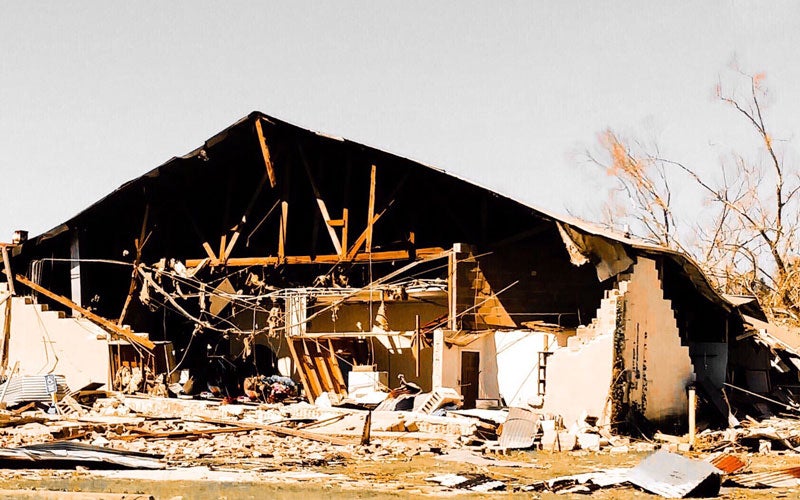
Unfortunately, hurricane season was catastrophic this year. Because of warming sea temperatures, those like Harvey and Irma have triggered devastating and widespread flooding, with nearly 6.5 million people or a third of Florida’s population having to evacuate.
Disaster Unemployment Relief
Thousands of Floridians are already having to apply for temporary disaster unemployment relief claims with the State due to Irma, most of them in Broward, Keys, and Miami-Dade counties. Residents are able to receive up to $275 per week for up to 26 weeks through March of 2018 through the Disaster Unemployment Assistance Program. This past year, the State had extended the application deadline to October 31.
Property Damage
But what about property damage? Most Floridians rely on their insurance companies to help address any property damage suffered after hurricanes. And yet, many insurance companies will insist that they cannot cover property damage that is due to flooding, even if you live in an area where flood insurance was neither mandatory nor recommended because it historically has not had flooding issues.
Unfortunately, insurance companies also sometimes grossly underestimate property damage claims caused by other issues–such as wind and hailstorms–denying appropriate levels of payment under the law in Florida. Wind and hail can cause just as much damage as flooding; possibly even more when it comes to your roof, interior, ceilings, HVAC, windows, and more.
Yet, when insurance companies assign local adjusters to your case instead of relying on consultants who can objectively evaluate property damage, it is common for obvious damages to go unacknowledged and end up with insufficient estimates that grossly underestimate the damages to property; perhaps even go so far as to claim that there is no compensable damage to the property.
Florida Attorneys Who Can Assist With Hurricane Claims
If you have suffered from damage due to a hurricane, working with an experienced insurance claim attorney can help ensure that you understand what your insurance policy says, properly and thoroughly document any losses you have suffered, make the claim for the compensation you need, ensure that the insurance company does not lowball you, and fight, if your claim is rejected.
At HD Law Partners, our Florida property insurance claim attorneys have extensive experience helping victims with homeowners, property, renters’, and auto insurance claims. Contact us today for a free case evaluation and we’ll discuss your options.
Resource:
https://miamiherald.com/news/weather/hurricane/article177950476.html
https://miamiherald.com/news/weather/hurricane/article178044641.html
When Your Business Cannot Reopen After The Storm
One of the hardest hit areas near Irma’s landfall was Goodland, Florida, where the hurricane not only damaged properties, but permanently “condemned” several businesses, including several local restaurants. As a result, many businesses now have to look for new locations, and some are even collecting donations to rebuild in the community.
While many Floridians have committed themselves to helping some of their favorite establishments reopen by donating funds, many others wonder why these restaurants are facing hard times like these, given that all of them had insurance policies. Isn’t rebuilding as simple as filing an insurance claim?
Hurricane Insurance Claim Challenges
Many who suffered damages from the recent storms felt that they had done their due diligence by having homeowners or windstorm coverage, as well as flood insurance.
However, having the insurance is just the beginning: filing the claims can turn into a full-time job, as business owners find themselves having to document every single loss and trying to negotiate fair settlements. Trying to do so with the assistance of an insurance attorney can inevitably spell lower payouts and difficulty getting back on your feet again. In addition, many restaurant businesses found that there were thousands of dollars in food costs that were not covered by insurance.
Restaurant owners and other businesses are not alone: Florida’s agriculture industry reportedly suffered more than $2.5 billion in losses due to the storm, warranting a “secretarial natural disaster” designation. It is important to note that this designation makes farmers eligible for very specific insurance programs and emergency loans, but they have a limited window within which to apply for these opportunities. Tourism businesses also experienced their fair share of damage.
What about Business Affected By Housing?
Irma could leave behind delayed effects on several markets in Florida, including the real estate market, which inevitably affects businesses as well. Just following the storm’s recent blow to Central Florida, home sales dropped 30 to 40 percent in one month in Orlando alone. Foreclosures have also been on the rise, which then affects home prices as they start to hit the market. Unfortunately, both businesses and homeowners are hit by rising building material costs and continued labor shortages in construction, as well as higher utility costs.
Attorneys versus Public Insurance Adjusters
It is important to remember that while insurance company adjusters represent the interests of the insurance company, your attorney and any professional adjusters they work with are tasked with representing you. This is especially important if your insurance company is informing you that the damage exceeds your insurance limits (based upon how the damage has been classified by the company).
Attorneys are in a better position to negotiate with the insurance company when it comes how the damage has been classified. Without a background in insurance law, simply hiring a public adjuster may place you in a situation where you cannot effectively advocate receiving additional funds under the policy.
Florida Attorneys Working To Help Businesses
If your business was damaged in the storm, don’t waste time in ensuring that you receive help from your insurance claim in rebuilding. The Tampa corporate lawyers at HD Law Partners have significant experience with assisting business owners with their claims. Contact us today to find out how we can help you get back in business.
Resources:
https://tampabay.com/news/local-farmers-may-get-loans-to-help-with-hurricane-irma-damage/2341254
https://orlandosentinel.com/classified/realestate/os-bz-orlando-home-sales-20171013-story.html
Hurricane Claims Process For HOA Buildings Insured Under Standard Flood Insurance Policy
In some circumstances, FEMA is also empowered to authorize payments to policyholders even before inspections are done if the policyholder needs to cover an emergency expenditure (such as temporary housing) after the disaster.
HOA Contracts & Emergency Powers
The process of repairing and mitigating damages under programs like these can be very confusing. For example, while policyholders have an obligation to mitigate damages as much as they can, they are also told not to enter into any contracts without first running them by the homeowners’ association (HOA) and/or board first.
In addition, homeowners association should ensure that there are separate contracts for each unit and, if possible, have the owner of that unit separately contract for any emergency services such as water extraction from their unit. However, if this is not possible due to emergency circumstances, homeowners associations should exercise their rights under Florida law to ensure that any contract signed indicates that the HOA is only acting as an agent given the emergency circumstances. These powers are available on a very limited basis for the sake of protecting public health and safety.
Filing Your Claim
If you’ve suffered a flood loss, you should report your claim as soon as you can. According to the FEMA National Flood Insurance Program (NFIP), the process is as follows:
- You report the loss to your insurance carrier;
- The adjuster from the carrier then inspects the property and should ask you if you want to request an advance payment from the insurer;
- The adjuster sends you a detailed cost estimate of the damage and a proof of loss. If you agree, you sign the proof of loss form then and there; if not, you will work with the adjuster to compromise (and this is where working with an attorney representing you may also be helpful);
- Eventually, if you are unable to come to an agreement, you complete the proof of loss form for the amount you are requesting, and send this (along with documentation) to the insurance carrier;
- If the insurer disagrees, they will only issue payment for the undisputed amount, and typically send a denial letter explaining their reasons for denying that portion that was disputed. Again, this is a time when working with an experienced flood insurance claim attorney could be beneficial in helping to ensure that you obtain what you need; and finally
- For any denial of payment, you can submit an amended proof of loss statement back to the claim examiner or a formal complaint to FEMA, or you can file an official lawsuit against your insurer.
Homeowners Association Insurance Claim Attorneys Serving Florida
When you are a homeowners association dealing with individual unit owners, and many have suffered flood losses, you want to ensure that you comply with each and every required step based on the NFIP policies. Contact HD Law Partners today to find out how we can help.
Resource:
kbrlegal.com/wp-content/uploads/2017/09/NFIP_Flood_Claim_Process-003.pdf
To say that many Florida families have been waiting for assistance from the Federal Emergency Management Agency (FEMA) after Hurricane Irma is an understatement: It has been over a month, and still, many families are waiting for someone to come out and just inspect their flood-damaged homes so that they can move on and apply for assistance. While the agency arguably worked to address immediate needs, it has been completely inadequate at addressing the aftermath and in providing basic disaster assistance.
Many are now waiting for FEMA payments and/or have had their applications for assistance unjustly denied. One of the biggest issues is the backlog of properties to inspect, as citizens are not eligible to receive federal assistance until a FEMA inspector analyzes any damage done by the hurricane. Yet, as of now, the average wait for an inspection is one month in Florida, with some reportedly waiting more than 50 days. This has many, instead, placing their faith in filing effective insurance claims to try and rebuild their lives and properties after the disaster.
Dangerous Delays & Outright Rejections for Federal Assistance
FEMA very obviously needs to hire more contract inspectors in order to meet basic needs after Hurricane Irma. The wait times associated with the Florida disaster have far exceeded those of past disasters, such as Hurricane Katrina, where people waited an average of five to 10 minutes to speak with a representative on the phone. With Katrina, home inspections were also completed anywhere between 10 days and two weeks after homeowners submitted their applications.
FEMA has reportedly denied 23 percent of the application for assistance received, with a majority of those denied here in Florida (432,000 out of 1.8 million Florida applications). According to the agency, “many homes were not significantly damaged by the storm.”
Insurance Payment Delays & Shelters Closing
Unfortunately, families who do not obtain legal assistance are also waiting on flood insurance payments for more than a month. In addition, homeowners’ insurance rarely covers flood damage, leaving many in limbo, waiting on flood claims filed with their insurance companies. The last shelter in Florida closed on October 21, leaving many residents living in their moldy, sometimes even condemned buildings that pose significant health and hazard concerns.
Attorneys Who Can Help
Navigating the multi-agency bureaucracy has left many in Florida out of luck, and out of a way of providing for themselves and their families in the wake of disaster. Rather than depend on federal assistance to put your life back together after the hurricane, why not ensure that you file the most effective insurance claim possible with your insurance company, and that any payments that are due to you are not dangerously delayed?
Contact one of our Florida insurance claim attorneys at HD Law Partners today to find out more about the estimate and payout to repair your home. Consulting with an experienced attorney can help you avoid experiencing difficulties in the claims process, and our attorneys have significant experience with assisting homeowners with their insurance claims.
Resource:
nytimes.com/2017/10/22/us/fema-texas-florida-delays-.html
In Divorce, Not All Assets Are Created Equal

As highlighted by this CNBC coverage, taking financial missteps during divorce can leave you in bad shape, especially if you and your ex’s finances are closely intertwined. It is crucial that you understand the implications of all the financial decisions being made, even if you are working with an attorney and/or financial advisor.
Below, we discuss some of the mistakes you’ll want to ensure that you avoid:
The Family Home & Liquid Assets
Many people going through divorce think about whether they should keep the family home for the sake of their kids and providing consistency and routine. However, it is important to note that the mortgage that you could once afford with two incomes may no longer be sustainable to stay in.
In addition, if you are offered the family home in exchange for your ex obtaining particular investments (such as the brokerage count or retirement savings), remember how costly keeping the house could be. It may not behoove you to take that trade.
Taxes Are Relative
Remember that some things are taxed (such as income from the 401k) and some are not (such as the checking account, and keep this in mind when dividing up assets.
401(k) Plans
Remember that in order to obtain a share of your former spouse’s 401(k) plan, you first have to get a Qualified Domestic Relations Order (QDRO) from the court. By doing so, you avoid paying a penalty for withdrawing funds from it early, however, you will still need to place it into an individual retirement account within 60 days to avoid paying income tax.
Alimony & Life Insurance
If you rely on child support and/or spousal support, consider taking out life insurance on your former spouse in case of their death. With you listed as the owner and beneficiary on the policy, it could serve as potential protection against the loss of vital income.
Consult With an Experienced Florida Divorce Attorney
Remember that in Florida, marital property is divided equitably, and this includes assets that were acquired during the marriage, unless it was specifically set aside as separate property pursuant to a pre-or postnuptial agreement. This includes retirement funds, insurance policies, pensions, and other assets acquired during the marriage, but not inheritance and gifts specifically given to one party only.
Consulting with an experienced attorney is wise at all stages of divorce, even in the very early stages. Your attorney can help you plan out what properties and assets will remain separate during marriage and help you ensure that you are on the right track in managing your assets to set them aside as separate property.
If you or a loved one has any questions about divorce, contact our experienced divorce and family law attorneys at HD Law Partners in Orlando, Tampa or Sarasota. We will ensure that you remain protected, regardless of your particular circumstances.
Resource:
cnbc.com/2017/09/21/when-it-comes-to-divorce-not-all-assets-are-equal.html
Your Rights As A Florida Hurricane Victim
Florida property owners have thus far filed reportedly $2 billion in claims to their insurance companies seeking assistance for damage caused by Hurricane Irma. The storm was ranked as one of the most powerful to hit the Atlantic, and killed at least 33 people in the state of Florida alone.
It is crucial that insurance companies are prompt in responding to hurricane claims, as the more time that passes without access to their homes, the more unnecessary costs they experience. Your level of protection largely depends upon what protection your state offers you.
Yet, while the state of Florida’s two largest insurers—Universal Property & Casualty and State Farm—have indicated that they have plenty of resources to ensure that their clients are taken care of after the storm, thousands of people in Florida are reportedly being told that their insurance policies will not cover the losses they sustained, indicating that they may have a fight ahead of them in getting the protection they’ve already been paying for years.
The Issue of Floods
Frequently, policyholders are told that they have no coverage if their damage was caused by flooding, specifically. Coverage also tends to be hampered if the damage is due to both winds and flooding, combined. Because flood insurance is not included in most homeowner policies, some are required to have it, however, floods caused by hurricanes affect more land and homeowners than typical, expected floods, leaving homeowners in a bind.
The Law in Florida
Florida provides specific protection regarding homeowner claims, known as a “Bill of Rights,” which is specific to the claims process (and in addition to other rights policyholders have in the state). Those include the right to:
- Have your claim acknowledged within 14 days after submitting it;
- Receive notice from your insurance company regarding how much of your claim is covered within 30 days of submitting your proof-of-loss statement;
- Receive full settlement payment for your claim and/or the undisputed portion of the claim (or a denial, if applicable) within 90 days;
- Free mediation from the Florida Department of Financial Services, should you so choose regarding your disputed claim;
- Neutral evaluation of your disputed claim if it involves a sinkhole covered by your policy; and
- Seek the assistance of the Florida Department of Financial Services, Division of Consumer Services for assistance with any claim.
The law also provides advice regarding what contractors you work with and in working with your insurance company before entering into any contracts for repairs or assigning policy benefits.
Experienced Legal Representation in Central Florida Insurance Disputes
At HD Law Partners, we are dedicated to serving hurricane victims with their property insurance claims. We have decades of experience litigation insurance coverage disputes throughout the state of Florida. We can assist you in formulating an appropriate strategy for ensuring that you and your family are protected. Contact us today.
Resources:
https://insurancejournal.com/magazines/features/2017/10/02/465609.htm
Connect with us


- February 2026
- January 2026
- December 2025
- November 2025
- October 2025
- September 2025
- July 2025
- June 2025
- January 2025
- January 2024
- December 2023
- November 2023
- October 2023
- September 2023
- August 2023
- July 2023
- June 2023
- May 2023
- April 2023
- March 2023
- February 2023
- January 2023
- December 2022
- November 2022
- October 2022
- September 2022
- August 2022
- July 2022
- May 2022
- April 2022
- March 2022
- November 2021
- October 2021
- September 2021
- August 2021
- July 2021
- May 2021
- April 2021
- March 2021
- February 2021
- January 2021
- December 2020
- November 2020
- October 2020
- August 2020
- July 2020
- June 2020
- May 2020
- April 2020
- March 2020
- February 2020
- January 2020
- December 2019
- November 2019
- October 2019
- September 2019
- August 2019
- July 2019
- June 2019
- May 2019
- April 2019
- March 2019
- February 2019
- January 2019
- December 2018
- November 2018
- October 2018
- September 2018
- August 2018
- July 2018
- June 2018
- May 2018
- April 2018
- March 2018
- February 2018
- January 2018
- December 2017
- November 2017
- October 2017
- September 2017
- August 2017
- July 2017
- June 2017
- May 2017
- April 2017
- March 2017
- February 2017
- January 2017
- December 2016
- November 2016
- October 2016
- November 13
Archives
- Alimony
- Appellate
- Arbitration
- Auto Accidents
- Auto Insurance
- Business Corporate
- Business Insurance Law
- Child Custody
- Child Support
- Criminal Law
- Divorce
- Family Law
- FEMA Insurance Payments
- Florida’s Mandatory 2‑Hour Legal Professionalism CLE:
- Foreclosure Defense
- Fort Myers Hurricane Insurance Attorney
- General
- Guardianship
- HD Law Partners Service
- HOA/Property Management
- Homeowners Association
- Homeowners Insurance
- Hurricane Claims
- Hurricane Insurance
- Insurance Bad Faith
- Insurance Claims
- Insurance Defense
- Insurance Litigation
- Landlord Tenant
- Law Enforcement Liability
- Loan Modifications
- Mold Water Damage
- Parental Rights
- Paternity
- Personal Injury
- Premises Liability Law
- Prenuptial Agreements
- Private Security
- Property Distribution
- Property Owner Law
- Sarasota Insurance Litigation Attorney
- Slip Fall
- Tampa Business and Corporate Attorneys
- tampa family attorney
- Tampa Insurance Attorneys
- Timeshare
- Timesharing
- Uncategorized
Categories

HD Law Partners is proud to be your trusted full-service law firm