

Insurance companies will often seek declaratory judgments to determine their obligations under a particular policy. For example, if someone is injured on another person’s property, the company that insures the property owner may seek a declaratory judgment that it has no duty to defend or indemnify that owner should they be sued.
Keep in mind, while most personal injury claims fall under state law, declaratory judgments are subject to federal jurisdiction. Under the Declaratory Judgments Act, a congressional statute, federal judges “may declare the rights and other legal relations of any interested party seeking such a declaration.” The word “may” is important. A federal court is not always required to make a determination. The judge may decide that it is best to dismiss a declaratory judgment action to avoid interfering with an ongoing state court proceeding.
Federal Court Orders Reconsideration of Insurer’s Request
The U.S. 11th Circuit Court of Appeals recently clarified the standards that federal judges must use when deciding whether or not to exercise their jurisdiction over a declaratory judgment proceeding. This particular case, James River Insurance Company v. Rich Bon Corp., originated with a shooting at a Miami nightclub. A fight broke out at the club, which quickly escalated into a shootout. An employee of the nightclub was killed in the gunfire and a nightclub patron was shot and seriously injured.
The nightclub had a general liability policy that covered bodily injury and property damage. This coverage excluded any workers’ compensation liability or injuries to employees. There was also a cap of $25,000 per person or $50,000 per incident for any claims arising from an “assault or battery” on the premises.
The injured guest sued the nightclub in Florida state court, alleging negligent security. The nightclub also anticipated a similar lawsuit from the deceased employee’s estate. The insurance company decided to file a declaratory judgment action in federal court, seeking clarification of its coverage obligations.
While the federal action was pending, the insurer ended up settling the state lawsuit with the injured patron for the $50,000 policy limit. The estate of the deceased employee then filed its own state lawsuit. The insurer argued in federal court that the nightclub’s insurance for this incident was already “exhausted,” and in any event, the estate could not recover any coverage under the employee exclusion.
The federal court declined to exercise jurisdiction and dismissed the declaratory judgment action. On appeal, the 11th Circuit said that was an abuse of discretion. The appellate court said that looking at the “totality of the circumstances,” the insurer had a viable claim that a declaratory judgment was warranted based on its exhaustion-of-coverage argument. The 11th Circuit therefore ordered the trial court to reconsider its position accordingly.
Speak with a Tampa, Florida, Insurance Lawyer Today
Insurance disputes can often lead to a number of complicated legal questions. An experienced Tampa insurance litigation attorney can help you in finding some answers. Contact HD Law Partners today to schedule a consultation with a member of our team.
Source:
media.ca11.uscourts.gov/opinions/pub/files/202011617.pdf
Business Disputes And Arbitration

If you are pursuing legal action in connection with a business contract dispute, it is possible there is a provision in the contract to move toward arbitration. An alternative to traditional litigation paths, arbitration has some similarities to mediation in that there is a neutral third party who reviews documentation, listens to arguments, and gives their opinion. An arbitrator’s decision is binding.
Legal issues can weigh down profits and productivity of organizations. If you are a Florida business owner and you have found yourself in the middle of contractual disputes, you need a Tampa business & corporate law attorney to guide you through your legal options. Take care of any problems as soon as possible so you can put the legal dispute in the rearview mirror.
Pros and Cons of Arbitration
Before agreeing to the process and moving forward with arbitration, understand the advantages and disadvantages. Because whether mandatory arbitration is included in the contract in question or not, you need to know what to expect so you can prepare for the process and the possible outcomes.
Arbitration pros:
- Faster than litigation. Because the arbitration process has more flexibility than local courts, a resolution will likely be far faster. This is because time and locations are generally open to discussion and easier to schedule.
- Less expensive. Since the process is stripped down, arbitration generally costs less and the expenses required to go through the process are split between the parties involved.
- It’s private. While trials can be part of public record, arbitration is done privately. For this reason, it is a popular choice when there are sensitive issues involved, including trade secrets or intellectual property.
Arbitration cons:
- Decision is binding. Parties who go through arbitration have waived the ability to have a judge involved in their dispute. Because they have waived their right, the chances of being able to appeal or take other legal action are slim to none.
- No guarantees. While arbitrators are qualified professionals in most cases they are not necessarily bound to precedent. Therefore, they could make a decision you were not anticipating. Courts, on the other hand, follow legal precedent.
Discuss the advantages and disadvantages with an attorney who is familiar with the details of your situation.
Personalized Attention
Talking to a Tampa business & corporate law attorney is important because once a legal professional has looked over your contracts, they can provide you with advice that is tailored to your unique situation and goals. In some situations, litigation is a preferable option. Or, if your contract states you must go through arbitration, there are ways to properly prepare.
Are you wondering if arbitration would be helpful for you and your business? Connect with the legal team at HD Law Partners to learn more about your options. With extensive experience in business and corporate litigation, our lawyers will review your case and advise you on the path that will lead to the outcome you are seeking. Call 813-964-7878 to schedule a free consultation with a member of our team.
Protect Yourself From Timeshare Regret

Sales of timeshares are often connected to customers acting on impulse, without people doing the research they need to do to determine if the purchase is truly a good investment. Sometimes people are on vacation when they are talked into a timeshare and they find themselves regretting the purchase in the months and years that follow. To protect yourself from regret, take your time and talk to legal professionals about the language of contracts.
There are laws in place to protect individuals from unethical timeshare sales. If you believe you were not treated fairly when you purchased a timeshare or have decided to sell and are unable to do so, discuss your case with an experienced Tampa timeshare attorney. You do have rights, and there could be a path out of the situation even if high-pressure representatives of the timeshare are insisting you have no choice.
Maintenance Fees and Long Ownership Timelines
When people are excited and buy a timeshare at the moment, they are typically not thinking about how long they will be paying maintenance fees. Instead, they may be on vacation and tantalized by the idea of more vacations.
If you become interested in a timeshare at a presentation, know that you do not have to purchase a timeshare then and there.. Research vacation ownerships. Then, if you do decide you are interested in a timeshare, you can look for one that fits your needs. Too often, people buy without sitting down and truly considering how much they can use it given their lifestyle and how quickly maintenance fees can pile up, even if you are not using the property.
For example, it is common for timeshares to use a vacation point system. But if you have never used this type of system you may not understand the limitations that are being imposed.
Avoid Today-Only and High-Pressure Sales
In short, walk away from today-only prices. Ask questions and do your research. Chances are, if you opt to buy in later you will be able to do so and avoid time crunch sales tactics. Additionally, looking at reviews of the company and checking online to see if past customers had any complaints can be helpful. Then, without the clock ticking, you can do the financially responsible thing and take the time you need to read through the contract before signing. To have all of your concerns addressed, connect with a Tampa timeshare attorney.
Is it time for you to talk to a timeshare attorney? Whether you are looking to get out of a timeshare contract or you want legal advice on how to proceed with a purchase and protect your assets, connect with the legal team at HD Law Partners to learn more about your options. Vacation should be fun, not a source of stress, and if you buy into a vacation property you need to be sure you can use it otherwise you are wasting money. Call 813-964-7878 to schedule a free consultation with a member of our team.

People slip and fall in public all of the time. You have likely been shopping in a mall or dining in a restaurant and seen someone take a fall. Thankfully, in most situations, the person is able to get up and brush it off. They may be startled and bruised, but they are able to resume their activities once they have collected themselves. But, it is important to note that not all individuals are this lucky. There are fall victims who sustain injuries that require medical care.
One Florida report stated there were over 60,000 falls that required hospital care within the period of a calendar year. With statistics like this, it stands to reason that thousands of Florida residents are struggling with medical bills after a slip, trip, or fall in a store, restaurant, or hotel. If you believe your fall or the slip of a loved one was a direct result of recklessness, connect with a Tampa personal injury attorney to discuss compensation options.
Four Years to File In Florida
When pursuing damage recovery, often negotiations begin with an insurance company. But if you are unable to secure the amount you need in order to be made whole again, a personal injury lawsuit could be a possibility. You have four years from the date of the injurious event under Florida Statutes Section 95.11. While this may first seem like a long period of time, understand that insurance negotiations can eat up a lot of this time. Working with a legal team you can trust as soon as possible is advised.
Accessing recovery for a slip and fall after any of the following hazards presented a risk could be possible:
- Floors that are wet, either from cleaning detergents or spills
- Torn carpeting or chipped tile
- Cables, wires, or cords that are not secured properly
- Obstructed sightlines or poor lighting
- Areas full of debris, garbage, or clutter
Of course, some of these issues happen to buildings and properties that are used daily. But owners and managers have a responsibility to provide space that is reasonably safe for their customers and the public. So, if a danger occurs, the area should be blocked off with a barrier or signage.
Talk to an Attorney About Your Situation
There are protections in place for business owners who make moves to shield the public from harm. For example, if a person dismisses or ignores clear signage, the owner or manager may not be liable. Share the specifics of your case with a Tampa personal injury attorney.
Are you ready to access financial recovery after slipping, tripping, or falling in Sarasota, Tampa, or Orlando? When another’s negligence caused your injury, discuss your case with a seasoned attorney as soon as possible. The aggressive legal team at HD Law Partners is committed to fighting for your rights. Our lawyers know how much claims are worth and will fight to secure the maximum compensation for you and your family. To access the recovery you need, call 813-964-7878 to schedule a free consultation.

Ending a marriage is extremely stressful. While emotions can be a large part of the upset, there are also times when a pending divorce brings financial stress as well. If one spouse has been earning a lot more than the other, the spouse who does not have access to financial resources may worry about how they will be able to afford daily expenses on their own. Spousal maintenance payments could be an option, for either the husband or the wife. Many more women are breadwinners, and maintenance payments are possible regardless of gender.
If you are a husband who relies on his wife’s income, you are not alone. One report finds women earn more than their husbands in 4 out of 10 two-income families. It is not always easy to untangle the finances of a Florida union, particularly if the couple owns and operates a business or is high-net worth. To have your questions answered, connect with a Tampa family law attorney.
An Array of Factors Will Be Analyzed
There are a range of elements that will be assessed to decide how assets and debts will be divided and if either party is eligible for support once the divorce is finalized. While one or both individuals may have personal options about which gender should be responsible for financial security, financial documents are assessed assuming all assets and debts are gender neutral. Some of the factors that will be considered when it comes to financial awards include the following.
- How long has the couple been married?
- Did one individual give up an income to support the career goals of the other person?
- How much does each spouse currently earn?
- Is there future earning potential to consider?
When these and other questions have been fully answered, spousal support could be part of the divorce negotiation process. This is particularly true if one spouse is earning substantially more and the other spouse left the workforce years ago to support the earning spouse’s ambitions and take care of household obligations and care for children.
Talk to a Seasoned Florida Divorce Lawyer
Instead of worrying about your financial future and guessing what your budget will look like once your divorce is finalized, connect with a Tampa family law attorney to get the facts. Knowing what is possible will allow you to plan and navigate your divorce with confidence.
Do you believe you should be receiving spousal support after your divorce is finalized? Maintenance payments could be part of your divorce agreement when there is a large gap between incomes or resources. To learn what is possible given the details of your situation, talk to the legal team at HD Law Partners. Our experienced attorneys will review the documentation you have and will strategize a path forward. The skills and knowledge to guide you through the divorce process is available, simply connect with a legal expert. Whether you need advice on spousal payments or child support, we can help. Call 813-964-7878 to schedule a free consultation.
Can I Appeal A Denied Claim?

Your need for compensation may be clear to you. After all, if you were hurt in a Florida accident, it is natural to rely on insurance coverage to help you handle medical expenses and other fees. But, there are situations in which an injured party is surprised when their claim is reduced or denied.
It is important to know that there could still be a path to the resolution you are seeking. While you likely feel frustrated and defeated, talk to a Tampa personal injury attorney before taking the opinion of an insurance claims adjuster as the final word on the matter. If you were hurt because another party was negligent and you are now juggling medical fees and loss of income, an experienced lawyer can help.
Reasons for FL Claim Denials
Legal professionals are able to review your claim and the insurance policy in question. Depending on the injury sustained, there could be multiple parties involved. For instance, you may have filed for workers’ compensation benefits and the company is asserting the injury was due to the negligence of a third party, which could prompt a personal injury claim.
Objections, reductions, and denials can happen for a range of reasons. Any or all of the following factors could be pointed to by an insurance company that is trying to avoid paying out on a claim.
- Late filings. Many insurers deny claims because they are not filed within a set timeframe. There are deadlines that need to be followed to smooth the process and secure the best outcome for the injured individual.
- Injury sustained is not covered. Stating that an injury is not covered could be an insurance company suggesting the injury happened in a way other than the claim assets. For example, that your injury did not occur during a car accident and is therefore not covered under your vehicular insurance plan.
- Incorrect or insufficient information. Documentation is an essential part of a strong claim. If there is not the information required, such as medical records and police reports, a claim could be denied.
Lawyers are able to look over policies and identify any exclusions or exceptions. From there, a solution can be strategized.
Bring Your Questions to a Florida Attorney
Insurance negotiations can be complicated, bring your Florida injury questions to a Tampa personal injury attorney. A skilled lawyer will inform you of the value of your claim and share next steps with you, including if an appeal is possible after a claim is denied.
Were you shocked when your claim in connection with a Sarasota, Tampa, or Orlando accident was denied? Don’t worry, an appeal could result in the financial recovery you are seeking. To learn what is possible for you and your family, discuss your case with a seasoned attorney. The aggressive legal team at HD Law Partners is committed to fighting for your rights, from an initial filing through an appeal process, if needed. Our lawyers understand the value of claims and will fight to secure the maximum compensation. To access the legal support you need, call 813-964-7878 to schedule a free consultation.

Private property owners typically have a legal responsibility to keep their premises “reasonably safe” for invited guests. This means that the owner must take reasonable steps to protect their guests from foreseeable hazards, including possible criminal activity. At the same time, however, the owner is not required to absolutely “insure” guest safety.
Federal Appeals Court Rejects Negligent Security Claim Against Cruise Ship Operator
A recent decision from the U.S. 11th Circuit Court of Appeals, Fuentes v. Classica Cruise Operator Ltd., Inc., illustrates the limits of such “negligent security” claims. This particular case arose on a cruise ship. Specifically, one passenger assaulted another passenger.
The plaintiff in this case took a cruise with his wife on the defendant’s ship. One night, there was a verbal altercation between the plaintiff and another passenger. This encounter did not lead to any physical confrontation.
The next morning, however, as the passengers disembarked the ship, the plaintiff again encountered the other passenger. The plaintiff said the other passenger was trying to cut the line to disembark. This led to another verbal altercation. One of the ship’s security officers noticed this exchange, radioed for backup, and approached the two men. The security guard advised both parties to “calm down.” But the other passenger quickly turned and punched the plaintiff in the face. A fight ensued and the plaintiff was knocked to the ground.
The plaintiff subsequently filed a negligent security lawsuit against the defendant. A federal court in Florida granted summary judgment to the defense after finding there was no evidence that the cruise ship company could have reasonably foreseen this incident. On appeal, the 11th Circuit agreed.
The appellate court explained this case was governed by federal maritime law as opposed to state personal injury law, although the principles governing these types of claims are largely the same. Essentially, the plaintiff must prove that the defendant’s employees could have reasonably foreseen a passenger-on-passenger attack.
Typically, a cruise line is on notice of such risks based on prior incidents. For example, the 11th Circuit cited a prior case where a cruise operator was “on notice” that passengers could be injured in a port of call with a well-known reputation for criminal activity. In that case, the passenger could sue the cruise line after being shot by a local criminal gang. In this case, however, the defendant had neither actual or constructive notice that the plaintiff could be attacked by another passenger. For that matter, a security guard did intervene during the second verbal altercation but the attacker acted too quickly and without warning for ship security to respond. Under these circumstances, the 11th Circuit said the cruise operator could not be held legally responsible for the plaintiff’s injuries.
Speak with a Florida Negligent Security Lawyer Today
If you have been injured on someone else’s property and you believe the owner took insufficient action to prevent your damages, it is best to speak with a qualified Florida private security attorney as soon as possible. Contact HD Law Partners today to schedule a free consultation.
Source:
media.ca11.uscourts.gov/opinions/pub/files/202014639.pdf
When Can A Policyholder Demand An Appraisal?
In Florida insurance law, an appraisal provides a means of resolving a dispute between the insurer and the policyholder regarding the amount of a covered loss. Appraisal is not meant to resolve whether a claim is insurable to begin with. Rather, it provides a way to arbitrate the question of how much the insurer owes to the policyholder.
Florida Court Rules Appraisal “Premature” Since Condo Association Failed to Document Its Claims
The key to appraisal is that it requires a genuine disagreement between the parties. This might seem obvious, but there have been a number of Florida cases where courts have found that appraisal is “premature” as the parties have not engaged in a “meaningful exchange of information” to demonstrate that a dispute exists.
Just recently, the Florida Third District Court of Appeals addressed this subject. In Certain Underwriters at Lloyd’s, et al. v. Lago Grande 5-D Condominium Association, Inc., a condominium association filed a claim with its insurer for damages sustained to the association’s buildings during Hurricane Irma in September 2017. The insurer acknowledged coverage for a portion of the claim and paid the association approximately $137,000.
Several months later, the association sued the insurer for alleged underpayment. The association also moved to compel appraisal, as required by the terms of the insurance policy. A judge granted the appraisal motion, prompting the insurer’s appeal.
The Third District sided with the insurer, agreeing that appraisal was premature. The appellate court noted the association had been “silent” following the initial partial payment of its claim. The association simply waited 10 months and then filed a lawsuit. At no point, however, did the association make any attempt to present its own estimates of the hurricane damage or the costs of making repairs to its property. Indeed, even after filing its lawsuit, the association failed to present any such evidence to the trial judge.
As the Third District explained, appraisal is only triggered under Florida law after there has been a “meaningful exchange sufficient to establish a disagreement regarding the value of property or the amount of the loss.” The association’s decision to remain silent for months after receiving the insurer’s payment did not, in and of itself, establish a “genuine disagreement” existed. Put another way, a policyholder cannot simply complain the insurer did not pay them enough. The policyholder must show its work and actually present proof establishing what they think they are owed. As such, the association here was not entitled to demand an appraisal at this time.
Speak with a Florida Insurance Lawyer Today
Insurance policies are legal contracts that impose duties and responsibilities on both parties. So if you are involved in a potential insurance dispute, it is important that you understand these duties and comply with all of your legal obligations. Otherwise, you might find yourself in trouble should litigation arise.
If you need advice or representation from an experienced Tampa insurance litigation attorney, contact HD Law Partners today to schedule a consultation.
Source: https://3dca.flcourts.org/content/download/836598/opinion/210636_DC13_05042022_101351_i.pdf
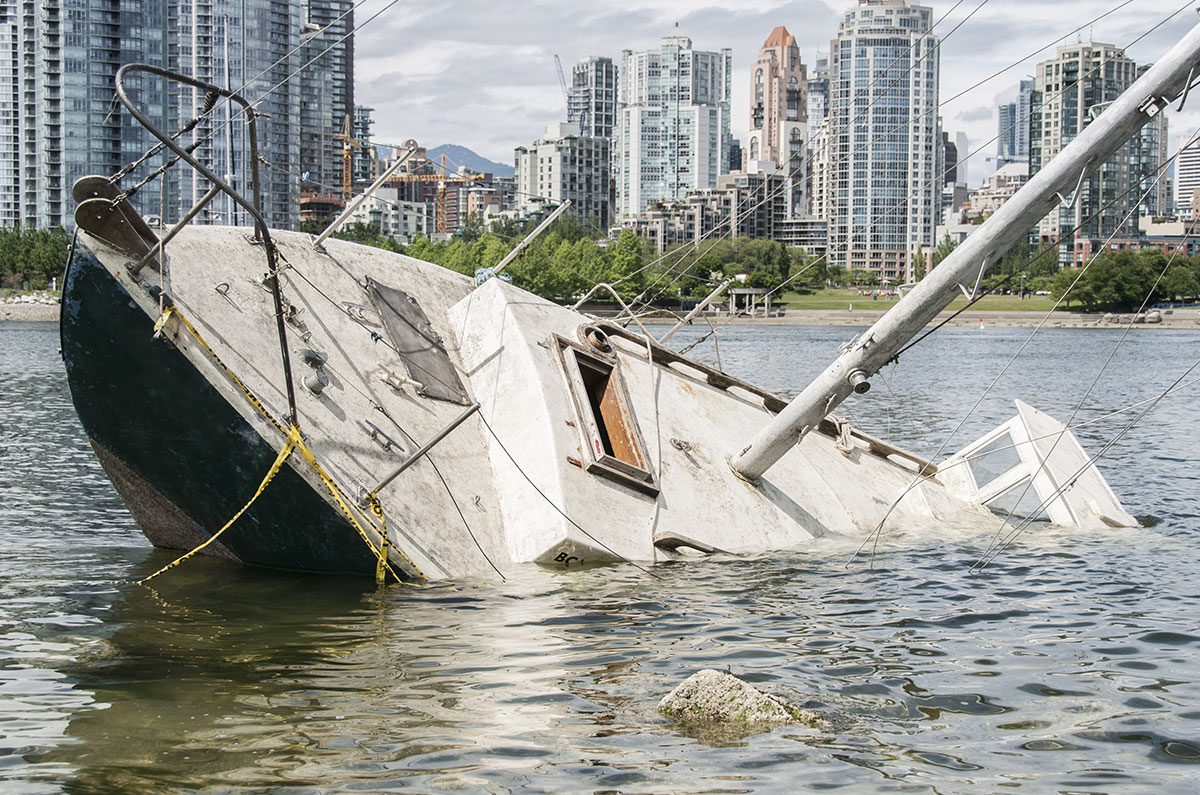
When interpreting an insurance policy, the choice of law will often determine how a court will enforce that policy’s terms. In this context, choice of law refers to which state’s laws govern the policy. Or in some cases, whether federal law may also apply.
A recent decision from a federal judge here in Florida, Great Lakes Insurance SE v. Lassiter, provides a case in point. This insurance dispute involved both federal and state choice-of-law questions–specifically, what laws to apply to a boating accident.
A man named Lassiter leased a boat called Shmily from a corporate owner. Lassiter hired another named Russick to captain the boat. Russick, acting as Lassiter’s intermediary, applied for an insurance policy for the boat. In that application, Russick failed to disclose the fact Lassiter had a 15-year-old misdemeanor domestic violence conviction. This will become relevant later.
The insurance policy included a “Named Operator Warranty.” This basically meant that the insurer would only cover a loss if the boat was “operated only by covered persons,” which in this case meant Captain Russick.
One day, Russick and Lassiter took the boat out for a test run. Russick remained on the vessel’s bridge but his first mate was actually at the helm. The boat “abruptly ran aground,” according to court records as it hit a sandbar. Russick retook the helm but he could not dislodge the boat.
Lassiter subsequently filed a claim with his insurance company. After an investigation, the insurer denied the claim. Lassiter filed a lawsuit.
The judge had to first determine what law to apply. Marine insurance contracts typically fall under admiralty law, which is a type of federal jurisdiction. This means that federal law trumps state law. But where there are any “gaps” in federal law, the relevant state law still applies.
Lassiter argued that Florida law should fill in the gaps. The insurer argued that under the terms of the insurance policy, New York law must apply. The judge agreed with the insurer.
Under New York law, Lassiter was out of luck. The main problem was that as noted above, the captain was not actually at the helm when the accident occurred. The Named Operator Warranty said that only listed persons could “operate” the boat. That included taking the helm. Indeed, as the first mate had helmed the boat on at least two occasions prior to the accident, the insurance policy was technically void the first time someone other than the captain was at the controls.
The judge said there still remained a disputed question over how long the policy was in effect. This question centered on the failure to mention Lassiter’s prior misdemeanor conviction on the insurance application. The insurer said this voided the policy from the outset based on its internal procedures. The judge said it was not clear at this stage of the litigation whether the omission was actually “material to the underwriting process.”
Speak with a Florida Insurance Lawyer Today
Insurance policies often involve complicated legal questions that can only be sorted out in court. If you need advice or representation from a qualified Tampa insurance attorney, contact HD Law Partners today to schedule a consultation.
Source:
scholar.google.com/scholar_case?case=9742863025931108841
How “Restrictive Covenants” Work In Florida

Employment is usually “at-will” in Florida. In other words, an employer is free to fire an employee, or an employee is free to quit and seek employment elsewhere. In many cases, a former employee will find work with another firm that is a direct competitor with the former employer.
Some employers want to protect themselves from this situation by having their key employees sign employment contracts with restrictive covenants. Common examples of such covenants include non-compete, non-solicitation, and nondisclosure clauses. But are such restrictive covenants actually enforceable in Florida?
The short answer is “yes.” Section 542.335 of the Florida Statutes does expressly state that a contract containing one or more restrictive covenants may be enforceable provided they are “reasonable in time, area, and line of business.” So what exactly does that mean?
The Rules Governing Non-Compete and Non-Solicitation Agreements
First things first. Any restrictive covenant must be in writing. You cannot enforce an “oral” or “implied” noncompete agreement. There must be a signed agreement between the employer and the employee who is the subject of the covenant.
Next, Section 542.335 requires that an employer establish a “legitimate business interest” before enforcing a restrictive covenant. Such interests can include protecting trade secrets or other valuable confidential information, such as customer lists. It may also include customer goodwill associated with the employer’s existing trade or service marks within a specified area.
Once the employer establishes a legitimate business interest, it must then show that the restrictive covenant is reasonably related to protecting that interest. As noted above, this standard applies to the “time, area, and line of business.” Breaking this down further:
- A restrictive covenant against a former employee or independent contractor that lasts less than six months is presumed to be reasonable under Section 542.335. Conversely, a covenant that purports to last more than 2 years is presumed to be unreasonable.
- The reasonable “area” for a restrictive covenant will largely depend on the scope or the business. An employer who only does business in Miami-Dade, for example, likely cannot use a noncompete clause to prevent someone from taking a similar job in Tampa. But if a company does business throughout the State of Florida, such a restriction could be considered reasonable.
- Likewise, an employer generally cannot restrict a former employee from taking a job outside the employer’s existing line of business. For instance, if Company A exclusively develops and sells iPhone apps, it probably cannot prevent a former employee from taking a job making Microsoft Windows apps.
Speak with a Florida Business Lawyer Today
Florida employers often seek restrictive covenants as a form of insurance against an employee turning around and undermining their business. But such agreements are legally complex in nature and are often more difficult to enforce than you might realize. That is why it is important to work with an experienced Tampa business and corporate attorney who can advise you in this area. Contact HD Law Partners today to schedule a consultation.
Source:
leg.state.fl.us/statutes/index.cfm?App_mode=Display_Statute&URL=0500-0599/0542/Sections/0542.335.html
Connect with us


- February 2026
- January 2026
- December 2025
- November 2025
- October 2025
- September 2025
- July 2025
- June 2025
- January 2025
- January 2024
- December 2023
- November 2023
- October 2023
- September 2023
- August 2023
- July 2023
- June 2023
- May 2023
- April 2023
- March 2023
- February 2023
- January 2023
- December 2022
- November 2022
- October 2022
- September 2022
- August 2022
- July 2022
- May 2022
- April 2022
- March 2022
- November 2021
- October 2021
- September 2021
- August 2021
- July 2021
- May 2021
- April 2021
- March 2021
- February 2021
- January 2021
- December 2020
- November 2020
- October 2020
- August 2020
- July 2020
- June 2020
- May 2020
- April 2020
- March 2020
- February 2020
- January 2020
- December 2019
- November 2019
- October 2019
- September 2019
- August 2019
- July 2019
- June 2019
- May 2019
- April 2019
- March 2019
- February 2019
- January 2019
- December 2018
- November 2018
- October 2018
- September 2018
- August 2018
- July 2018
- June 2018
- May 2018
- April 2018
- March 2018
- February 2018
- January 2018
- December 2017
- November 2017
- October 2017
- September 2017
- August 2017
- July 2017
- June 2017
- May 2017
- April 2017
- March 2017
- February 2017
- January 2017
- December 2016
- November 2016
- October 2016
- November 13
Archives
- Alimony
- Appellate
- Arbitration
- Auto Accidents
- Auto Insurance
- Business Corporate
- Business Insurance Law
- Child Custody
- Child Support
- Criminal Law
- Divorce
- Family Law
- FEMA Insurance Payments
- Florida’s Mandatory 2‑Hour Legal Professionalism CLE:
- Foreclosure Defense
- Fort Myers Hurricane Insurance Attorney
- General
- Guardianship
- HD Law Partners Service
- HOA/Property Management
- Homeowners Association
- Homeowners Insurance
- Hurricane Claims
- Hurricane Insurance
- Insurance Bad Faith
- Insurance Claims
- Insurance Defense
- Insurance Litigation
- Landlord Tenant
- Law Enforcement Liability
- Loan Modifications
- Mold Water Damage
- Parental Rights
- Paternity
- Personal Injury
- Premises Liability Law
- Prenuptial Agreements
- Private Security
- Property Distribution
- Property Owner Law
- Sarasota Insurance Litigation Attorney
- Slip Fall
- Tampa Business and Corporate Attorneys
- tampa family attorney
- Tampa Insurance Attorneys
- Timeshare
- Timesharing
- Uncategorized
Categories

HD Law Partners is proud to be your trusted full-service law firm