
How Do Timesharing Parenting Plans Work Under Florida Law? - HD Law Partners Blog
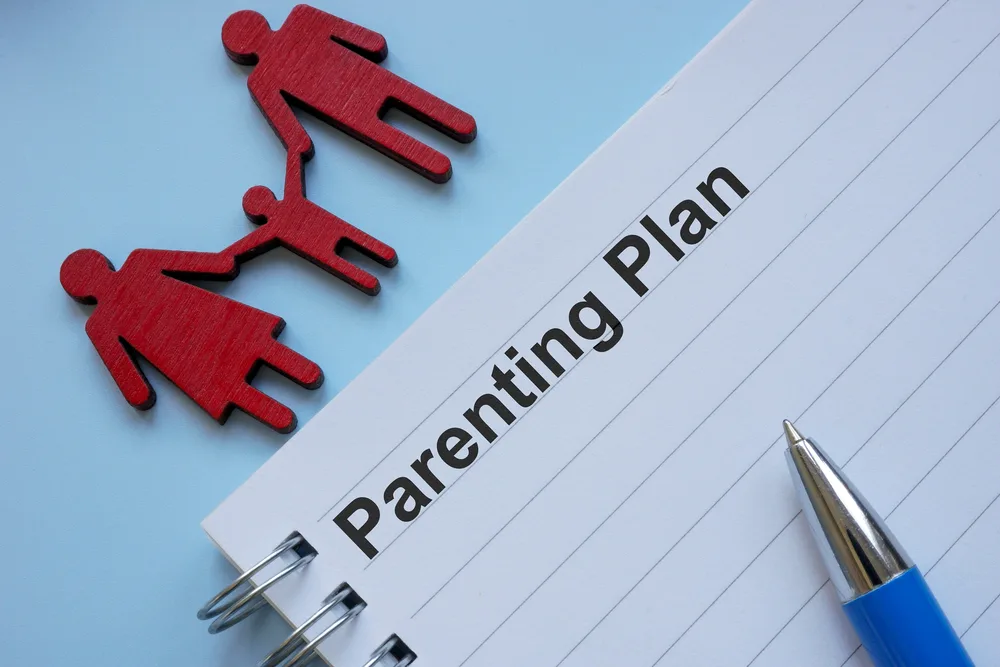
If you’re going through a separation or divorce in Tampa, FL, it’s always in your best interest to create a parenting plan that works for your family rather than leave things up to the court. A timesharing parenting plans attorney can make this process smoother by explaining your rights and responsibilities under Florida law and helping you craft a plan the courts will find acceptable.
Timesharing Plans Under Florida Law
Florida law spells out exactly what must go into every approved parenting plan, and it’s extensive. Your plan has to describe in detail how you and the other parent are going to split all the everyday tasks of your children’s lives. There must be a specific timesharing schedule that lays out exactly when the child will be with each parent not only on regular weekdays but also on the weekends, holidays, at school breaks, and through the summer.
Your plan must also name who is going to handle the healthcare decisions and school registration, how extracurricular activities will be dealt with, how the parents will communicate, and also list safe and agreed-upon places for exchanges. If you and the other parent can’t agree on all these details, then the court will create a plan for you, and the main concern of the court will not be what best works for you but what’s in the best interests of your child.
Of course, you want what’s best for your child as well, but you know your child and your own family situation better than the court ever can. This means you and the child’s other parent can usually come up with a better plan, if you’re able to get along well enough to craft it, and if you understand what the courts are looking for as you present your plan. Your lawyer will be an enormous help with both those things.
The Court’s Assumptions
The court approaches parenting time assuming that it’s in the child’s best interest to spend equal amounts of time with both parents. If that’s not what’s best for your child, you will need to overcome that presumption with evidence. The court will consider all the factors required by Florida law. These are quite comprehensive and include things like how well each of the parents can meet the child’s day-to-day needs, any history of domestic violence, the child’s school and community ties, and the mental and physical health of everyone involved.
It’s also common for the court to order mediation. If mediation fails, there will be a final hearing where you and the other parent can present your evidence about what you believe is in your child’s best interest, but the judge will issue the final order, and that will become binding on you both.
Talk to a Timesharing Parenting Plans Attorney
Things go most smoothly when you have professional help in drafting, negotiating, and defending your plan. Whatever your situation, contact HD Law Partners in Tampa, Orlando, Sarasota, or Fort Myers, FL today to set up a consultation.
Connect with us


- May 2026
- April 2026
- March 2026
- February 2026
- January 2026
- December 2025
- November 2025
- October 2025
- September 2025
- July 2025
- June 2025
- January 2025
- January 2024
- December 2023
- November 2023
- October 2023
- September 2023
- August 2023
- July 2023
- June 2023
- May 2023
- April 2023
- March 2023
- February 2023
- January 2023
- December 2022
- November 2022
- October 2022
- September 2022
- August 2022
- July 2022
- May 2022
- April 2022
- March 2022
- November 2021
- October 2021
- September 2021
- August 2021
- July 2021
- May 2021
- April 2021
- March 2021
- February 2021
- January 2021
- December 2020
- November 2020
- October 2020
- August 2020
- July 2020
- June 2020
- May 2020
- April 2020
- March 2020
- February 2020
- January 2020
- December 2019
- November 2019
- October 2019
- September 2019
- August 2019
- July 2019
- June 2019
- May 2019
- April 2019
- March 2019
- February 2019
- January 2019
- December 2018
- November 2018
- October 2018
- September 2018
- August 2018
- July 2018
- June 2018
- May 2018
- April 2018
- March 2018
- February 2018
- January 2018
- December 2017
- November 2017
- October 2017
- September 2017
- August 2017
- July 2017
- June 2017
- May 2017
- April 2017
- March 2017
- February 2017
- January 2017
- December 2016
- November 2016
- October 2016
- November 13
Archives
- Alimony
- Appellate
- Arbitration
- Auto Accidents
- Auto Insurance
- Business Corporate
- Business Insurance Law
- Child Custody
- Child Support
- Criminal Law
- Divorce
- Family Law
- FEMA Insurance Payments
- Florida’s Mandatory 2‑Hour Legal Professionalism CLE:
- Foreclosure Defense
- Fort Myers Hurricane Insurance Attorney
- General
- Guardianship
- HD Law Partners Service
- HOA/Property Management
- Homeowners Association
- Homeowners Insurance
- Hurricane Claims
- Hurricane Insurance
- Insurance Bad Faith
- Insurance Claims
- Insurance Defense
- Insurance Litigation
- Landlord Tenant
- Law Enforcement Liability
- Loan Modifications
- Mold Water Damage
- Parental Rights
- Paternity
- Personal Injury
- Premises Liability Law
- Prenuptial Agreements
- Private Security
- Property Distribution
- Property Owner Law
- Sarasota Insurance Litigation Attorney
- Slip Fall
- Tampa Business and Corporate Attorneys
- tampa family attorney
- Tampa Insurance Attorneys
- Timeshare
- Timesharing
- Uncategorized