
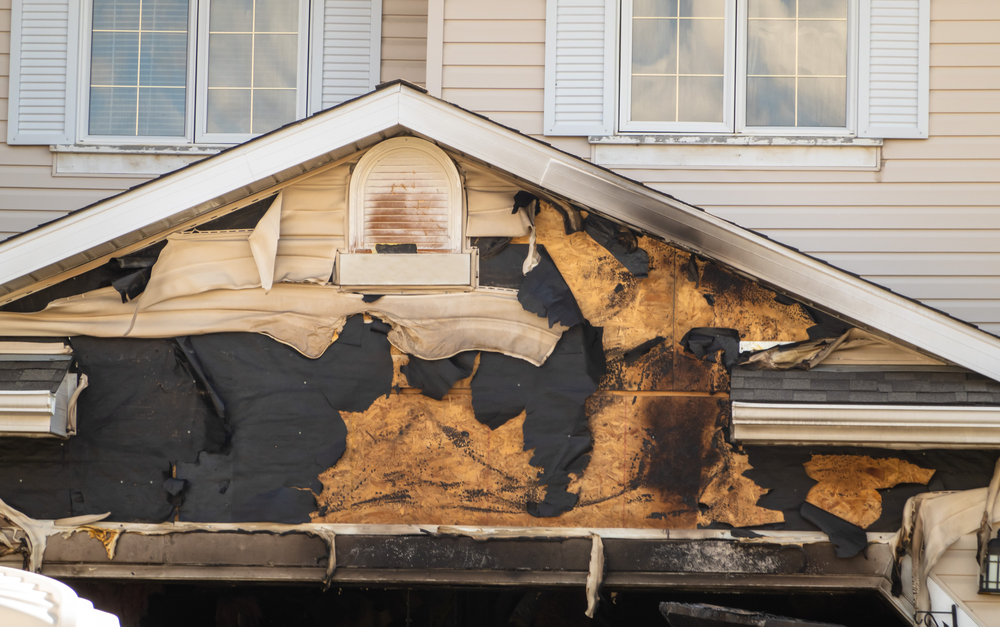
Fire damage can easily ruin your home or business, and after a disaster, you expect your insurance company to step up. The process of handling a claim involves multiple steps, from initial acknowledgment to final resolution, and there can be misunderstandings and delays all along the way. A Fort Myers, FL fire claims attorney can help you keep your claim moving and your insurer honest.
How Are Fort Myers, FL Fire Damage Claims Handled by Insurers?
Initial Acknowledgment and Response
Upon receiving your claim, your Florida insurer should promptly acknowledge that they got it: they have a max of 14 days to do so under Florida law. The insurer has to then assign a claims adjuster, and this adjuster will be your primary point of contact. They’ll gather details about the incident and your coverage. During this phase, the insurer may request access to your property so they can do an on-site inspection, and they’ll likely coordinate with the local fire department, as well.
Investigation
Next, your claim enters a more detailed investigation phase. The insurer will often hire specialized investigators like fire origin experts and forensic engineers to determine if the fire was accidental, electrical, or due to other causes. This investigation helps them rule out fraud or intentional acts, which could void your coverage, but they are also looking for any evidence that some negligence on your part contributed. Remember that an insurance company is a business, and a business exists to make profit. That gives them a strong incentive to find a way to deny or minimize a claim.
Damage Assessment and Valuation
With evidence in hand, the next step is to assess the damage and categorize losses into dwelling, personal property, and additional living expenses according to what’s outlined in your specific policy. For the structure itself, the adjuster will calculate the repair costs using standardized pricing for materials and labor in Florida’s market, consider depreciation for older items, and will apply either an actual cash value or replacement cost value, depending on the coverage you have in your policy.
If you’re making a personal property claim, you’ll need to provide a detailed list of destroyed items, and it’s common for insurers to require an appraisal for high-value assets. Additional living expenses, such as temporary housing you might need, are generally reimbursed based on the receipts you provide, up to the policy’s limit.
Claim Evaluation and Decision
After doing the assessment, the insurer will evaluate the claim against your policy. Insurers use actuarial models that are designed to be fair but also to minimize coverage as far as is legally possible. They should, however, give you an explanation if they’re only giving partial coverage. Your lawyer can help you to combat both full and partial denials as well as push back if coverage doesn’t reach your policy limits and is inadequate for your losses.
Payment and Settlement
Once the claim is approved, payment should be issued for all undisputed amounts. Funds are often released in stages, and for large claims, it’s common to require contractor estimates before making a full disbursement.
Talk to a Fire Claims Attorney
As you can see, this process is complicated, and there are many points along the way where an insurer may delay or work to minimize your claim and protect themselves. Talk to us today at HD Law Partners in Fort Myers, Orlando, Sarasota, or Tampa, FL today for help with your claim.
Connect with us


- May 2026
- April 2026
- March 2026
- February 2026
- January 2026
- December 2025
- November 2025
- October 2025
- September 2025
- July 2025
- June 2025
- January 2025
- January 2024
- December 2023
- November 2023
- October 2023
- September 2023
- August 2023
- July 2023
- June 2023
- May 2023
- April 2023
- March 2023
- February 2023
- January 2023
- December 2022
- November 2022
- October 2022
- September 2022
- August 2022
- July 2022
- May 2022
- April 2022
- March 2022
- November 2021
- October 2021
- September 2021
- August 2021
- July 2021
- May 2021
- April 2021
- March 2021
- February 2021
- January 2021
- December 2020
- November 2020
- October 2020
- August 2020
- July 2020
- June 2020
- May 2020
- April 2020
- March 2020
- February 2020
- January 2020
- December 2019
- November 2019
- October 2019
- September 2019
- August 2019
- July 2019
- June 2019
- May 2019
- April 2019
- March 2019
- February 2019
- January 2019
- December 2018
- November 2018
- October 2018
- September 2018
- August 2018
- July 2018
- June 2018
- May 2018
- April 2018
- March 2018
- February 2018
- January 2018
- December 2017
- November 2017
- October 2017
- September 2017
- August 2017
- July 2017
- June 2017
- May 2017
- April 2017
- March 2017
- February 2017
- January 2017
- December 2016
- November 2016
- October 2016
- November 13
Archives
- Alimony
- Appellate
- Arbitration
- Auto Accidents
- Auto Insurance
- Business Corporate
- Business Insurance Law
- Child Custody
- Child Support
- Criminal Law
- Divorce
- Family Law
- FEMA Insurance Payments
- Florida’s Mandatory 2‑Hour Legal Professionalism CLE:
- Foreclosure Defense
- Fort Myers Hurricane Insurance Attorney
- General
- Guardianship
- HD Law Partners Service
- HOA/Property Management
- Homeowners Association
- Homeowners Insurance
- Hurricane Claims
- Hurricane Insurance
- Insurance Bad Faith
- Insurance Claims
- Insurance Defense
- Insurance Litigation
- Landlord Tenant
- Law Enforcement Liability
- Loan Modifications
- Mold Water Damage
- Parental Rights
- Paternity
- Personal Injury
- Premises Liability Law
- Prenuptial Agreements
- Private Security
- Property Distribution
- Property Owner Law
- Sarasota Insurance Litigation Attorney
- Slip Fall
- Tampa Business and Corporate Attorneys
- tampa family attorney
- Tampa Insurance Attorneys
- Timeshare
- Timesharing
- Uncategorized
Categories

HD Law Partners is proud to be your trusted full-service law firm