
HTTP Error 500.30 - ASP.NET Core app failed to start

Common solutions to this issue:

Troubleshooting steps:

For more guidance on diagnosing and handling these errors, visit Troubleshoot ASP.NET Core on Azure App Service and IIS.

When it comes to owning and operating a business, not only is it important to ensure that all of your financials and tax information is in order, but there are a number of operations you want to make sure are in order at the end of each year. Forgetting even one of these important tasks could set your business back.

Below, we discuss some of these important activities, and how a business/corporate lawyer can help you ensure that everything is in place as we enter 2019:

Forming or Dissolving a Business

If you are in the process of forming a business, and you are interested in incorporating or forming a limited liability company (LLC), you may want to work with your attorney in considering delayed filing, which allows you to set an “effective on” date in the near future that is realistic for your plans. And if, conversely, you are dissolving your business, remember that you need to work with an attorney to file your Articles of dissolution with the Secretary of State in order to ensure that certain obligations, such as paying state fees and taxes, cease.

If you are already incorporated, perhaps you are thinking of changing your legal structure, to a sole proprietorship, an LLC or S Corporation, etc. Your business law attorney can help advise you and answer any questions you may have to help you figure out which direction you want to go in.

Meeting With Accountants and Bookkeepers

Also make sure that you meet with an accountant and/or bookkeeper as well to go over financial statements, ask any questions, and form a plan for filing taxes this spring so that you are ready and know what to expect regarding deductions and other important business matters. This meeting may also make you realize that there are some “loose ends” that need to be tied before taxes are filed, such as revisiting your inventory and/or coming up with a new business strategy for the coming year; a strategy that perhaps includes updating your social media presence and/or reviewing and revising your business plan.

New Hires & End-Of-Year Reviews

If you are preparing to hire new employees, you will need to gather certain documents in preparation of this process, such as documentation related to your employer identification number, Form I-9, tax withholdings, workers’ compensation insurance, and documents related to reporting new hires to the state.

If you already have employees, you may also want to schedule your year-end reviews and update them about any upcoming changes associated with the day-to-day business operations. This will also give you a chance to review 2018 and your failures and accomplishments with your team.

Contact Our Florida Business & Corporate Law Attorneys

At HD Law Partners, our Tampa business law attorneys have the experience and legal know-how to ensure that you and your business are on-track for 2019. Contact us today to find out more about our services—our corporate lawyers serve clients in Tampa, Sarasota, Orlando, and surrounding areas.

Resource:

forbes.com/sites/allbusiness/2018/12/22/business-owner-end-of-year-checklist/#42150aa41c25

hurricane Matthew damage

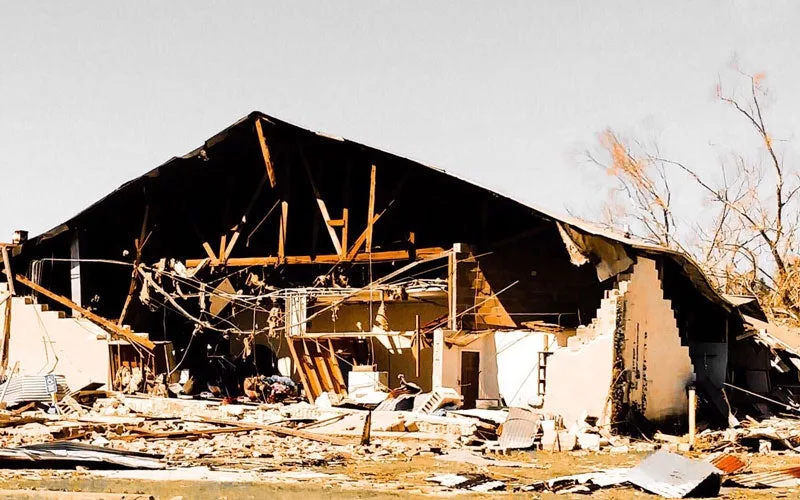
The estimated damage – just to agricultural resources – from Hurricane Michael across Florida and several other states is forecast to go over $1.3 billion, and includes cotton farms, pecan farms, and poultry operations as some of the hardest hit. Hurricanes are especially damaging to cotton crops, leading to an increase in the price of cotton. It is clear that farmers in particular are going to need all the help they can get in order to recover, and most of that help will need to come from crop insurance.

Florida also suffered significant timber losses as well. An estimated three million acres of timber were damaged by the hurricane, along with other commodities. It will likely take years for the industry to recover and replace lost trees.

In anticipation of these losses and those expected to hit homeowners, in mid-October, Gov. Rick Scott ordered emergency changes to insurance rules as they apply Hurricane Michael recovery, specifically. Under these rules, not only do policyholders now have an extra 90 days to submit their claims, but insurance companies are prohibited from canceling or failing to renew homeowners’ policies on homes damaged by Hurricane Michael for 90 days as well. In addition, Florida’s insurance regulator issued an emergency order that freezes any rate hike for 90 days in order to support recovery efforts in areas impacted by the Hurricane.

Claims Thus Far & the Florida Hurricane Catastrophe Fund

According to the Florida Office of Insurance Regulation, close to 40,000 claims have already been submitted for damage related to Hurricane Michael, and almost $6 million in insured losses paid out thus far. Most of the claims are reportedly wind-related, and half from mobile home owners. These numbers are expected to increase significantly as more and more damage is assessed. Hurricane Irma alone, for example, brought in close to one million in claims and over $10 billion in insured losses.

In addition, the Florida Hurricane Catastrophe Fund was established to provide funds for insurance companies in order to help them pay customer claims. The fund reportedly has $16.2 billion in reserves, with a capacity of $17 billion, and with a bond for an additional $800 million, if needed.

Don’t Wait: Contact One of Our Florida Hurricane Insurance Claim Attorneys

If you have suffered loss from Hurricane Michael, do not wait on filing your claim. Many policyholders are still waiting to receive help from damaged caused by Hurricane Irma. Florida regulators have made it clear that, this time around, insurance companies need to provide a speedy response and be prepared prior to the storm, ensuring that they are there to help property owners impacted by Hurricane Michael.

Contact one of our experienced Florida hurricane insurance claim attorneys  at HD Law Partners today to get the help you need and ensure that your claim is processed properly.

Resource:

cnbc.com/2018/10/15/agricultural-damage-from-hurricane-michael-forecast-to-top-1point3-billion.html

tampabay.com/news/business/banking/Early-Hurricane-Michael-claims-38-000-5-7M-in-damages_172681252

insurancejournal.com/news/southeast/2018/10/16/504583.htm

While new technology is expected to solve a number of our problems–from reducing human error to growing the global economy–it is also expected to have a significant effect on corporate liability, commercial litigation, insurance litigation, and product liability claims. As the industry grows in complex technology, companies and insurers need to make sure that they consult the right attorneys so that they ensure that their claims processing is up-to-date because, as cyber risk liabilities increase, so too does liability for manufacturers, suppliers and providers.

The General Risk of Increasing Digitalization

Take, for example, liabilities surrounding cyber security and the increasing digitalization of society: liability and litigation is becoming more and more complex and technical, especially as data protection rules become stricter and carry stiffer penalties in response to governments trying to bolster cyber security and protect privacy. An accident no longer involves just two people, but manufacturers, software providers, and other third parties, all requiring that insurance claims handlers and other experts understand specific algorithms involved in order to determine the cause of accidents.

Let’s take a look at another emerging technology and how it could become a major driver of liability and insurance claims in the years to come: 3D printing. This technology is expected to completely change manufacturing, growing from a market estimated at around $9 billion today to a potential global value of $640 billion.

While it has the potential to make businesses significantly operationally faster, more widespread use of the technology also introduces new complexity into the supply chain. Internet sales platforms, product designers, and software providers all bring their own particular liability into the equation, which raises new issues and questions as to what happens in the event of a product defect.

When it comes to 3D printing, examples of new potential liabilities and third party questions include:

  • Whether the 3D design itself, and the designer (if the design can be considered a “product” covered under the law);
  • Who has a duty to warn about any potential unsafe products? Does this include operators of internet sales platforms?
  • Is the software itself considered a “product” within the confines of the law? If so, are software manufacturers properly covered for product liability?
  • What about personalized products? How do they figure into product testing and protection against product defects/liability?

Do Not Leave Yourself Vulnerable: Contact Our Florida Corporate Liability Attorneys

It becomes clear that any companies that deal with these types of technologies need to constantly test their own risk management processes in order to ensure that they are up-to-date and covered. The introduction of any new update could leave a company, manufacturer, or even insurer completely vulnerable to a slew of new litigation.

If you are concerned about the potential repercussions of new technology in the field of business or insurance, contact our Tampa business attorneys at HD Law Partners today. We practice in a number of these areas—including business law, business insurance law, corporate law, insurance defense, and product liability, and we are here to help.

Resource:

https://insurancejournal.com/news/national/2018/10/19/504988.htm

For many people, divorce is time consuming and emotionally draining, which explains why some are tempted to make some considerable financial mistakes during the process. While this is understandable, we as attorneys practice in divorce and family law frequently have to address some of the financial fallout from this decision-making, which then makes the entire process that much more difficult.

Below, we discuss how to avoid making the most damaging financial mistakes while going through divorce:

Big Ticket Purchases

First and foremost, do not let yourself go out and buy a big ticket item, like a new car or house. While these items might have been financially feasible before, you may very well find that they significantly interfere with your ability to stay on top of new finances that you are now solely responsible for.

Cashing In On Investments & 401(k)s

Also be careful about cashing in on investments and 401(k)s to pay the bills. Keep in mind that “cashing out” on these items could lead to substantial tax consequences; even potentially placing you in a higher tax bracket for the entire year, which can affect other payments, such as student loan payments. Also, even if you cash in on 401(k) funds that have already been taxed, you can get hit with a penalty by the IRS for cashing in on those funds before you turn 59 ½.

Cashing in on your investments also means that they are (obviously) no longer be invested, which could also take you off-track from the financial goals you and your attorney mapped out for your future.

When it comes to coming out of divorce positively, you want to have a solid financial plan in place. Keep in mind that, if you obtain a portion of your ex’s retirement accounts in the form of a qualified domestic relations order (QDRO), you can place this into a new IRA under your name and continue to defer paying taxes on the funds.

Alimony Payments & Employment

As you may know, as of January 1, 2019, the tax benefits associated with paying alimony will have effectively disappeared. If making alimony payments scares you so much that you are tempted to quit your job just to get out of it, don’t; this will simply result in more financial difficulties—and possibly more time in court.

Fighting Over an Expensive Family Home

One big potential mistake we see a lot of clients make is fighting over who is going to get the family home at all costs. This can sometimes be especially important to clients who feel like holding onto that home is important to their children.

However, while the home may seem like your most important financial asset right now, keep in mind that the mortgage and maintenance on it may very well turn out to be way too much for one person (you). In addition, some clients find themselves in what’s known as a negative equity situation, which means that they are stuck with a house that’s worth less than what they owe on it. That can turn out to be even harder on your children, especially if all of your income goes towards your mortgage and you cannot save any of it for their college education.

Contact Our Florida Divorce & Family Law Attorneys

Keeping the family home and making other big decisions may very well be in your best interests; just make sure that any decision you make with significant financial repercussions are first well-vetted with your attorney so that you stick to the financial plan that’s right for you. Contact our Florida divorce attorneys at HD Law Partners today to find out how we can help you stay on track.

Resource:

forbes.com/sites/davidrae/2018/10/25/divorce-financial-mistakes/#553ff9207eda

Judge banging a gavel

Many parents these days find it difficult to find that right life-balance when it comes to juggling career, child support, and shared custody after divorce. Recently, CNN ran an interesting piece focusing on some perspectives of fathers, in particular, who feel that the system has let them down. Some of these fathers have spent time in jail because they were unable to pay court-ordered child support; gone bankrupt; or even been altogether barred from seeing their children due to civil protection orders. And not all of them ended up in custody battles due to divorce: some learned all too late that they had fathered children but were excluded from the child’s birth certificate.

According to the statistics, even today, more than 80 percent of custodial parents are mothers. Does this mean that men automatically do not get a fair shake when it comes to custody cases? Laws in states like Florida and elsewhere were supposed to prevent this phenomenon by focusing on what is in the best interests of the child. Still, that doesn’t mean that men do not sometimes get the short end of the stick due to judges’ traditional perspectives. Below, we offer some insight on how fathers can avoid acrimonious outcomes in circumstances like these.

Paying Child Support

Even if you cannot pay the total amount of child custody you have been ordered to do so, make sure that you pay something. If you fail to do so, you most definitely risk jail time.

Remember that you can only reduce your child support payments by getting yourself in front of a judge, so work with a good attorney, and be patiently persistent. When it comes to communicating with the judge, your attorney will know how to do it and save you potentially suffering from the bias that can sometimes accompany the judge having to deal with someone who doesn’t know the law (i.e. you). Paying child support is an important part of the legal system, and judges expect parents to do whatever they can to financially support their children; however, they do understand that people lose their jobs and times can be tough, and they will sometimes consider modifying child support agreements, given some circumstances.

“Unofficial” Dads

While it may seem like women have the upper hand when it comes to custody if two people have a child out of wedlock, keep in mind that men can “catch up.” A father should file what’s known as legitimation papers in order for the court to establish that naming him as the father officially is in the best interests of the child.

Contact Our Florida Divorce & Child Custody Attorneys

If you live in Florida and are seeking legal advice on any divorce issue, contact our experienced Tampa family law attorneys at HD Law Partners today to find out how we can help. We have offices in Fort Myers, Orlando, Sarasota, Tampa, and Bradenton.

Resources:

cnn.com/2018/11/05/us/divorce-child-custody-tips-lisa-ling-this-is-life/index.html

leg.state.fl.us/statutes/index.cfm?App_mode=Display_Statute&URL=0000-0099/0061/Sections/0061.13.html

The longstanding standard of what constitutes bad faith in Florida was determined by the Florida Supreme Court almost 40 years ago. The Court determined that an insurer has a duty to use the same degree of care and diligence as someone “of ordinary care and prudence.” Insurers must investigate the facts, give fair consideration to settlement offers and–where a reasonably prudent person would–pay total recovery.

However, two recent appellate decisions have made some important changes to what constitutes a bad faith insurance claim in the context of third-party liability claims, as we discuss below.

Eleventh Circuit Decision

The first of those decisions—by the Eleventh Circuit—upheld a lower court decision finding that Geico deciding to offer settlement limits twenty days from the first notice of the claim was not done in good faith as a matter of law. The court ultimately upheld the jury verdict in favor of plaintiffs, finding that the jury was reasonable and had enough evidence to conclude that Geico had acted in bad faith.

Florida Supreme Court Decision

Two months later, the Florida Supreme Court found that there was substantial evidence to support a jury’s finding that Geico had, once again, acted in bad faith in failing to settle a claim against its insured, stating that an insurer is not absolved of liability simply because it advises its insured of the possibility of an excess judgment, the probable outcome of litigation, and settlement opportunities. According to the Court, what matters is whether the insurer “diligently” worked on the insured’s behalf to avoid excess judgment—with the same haste and precision as if it were the insured. In addition, in cases where liability is “clear” and injuries so serious that an excess judgment is likely, because the financial exposure to the insured is a “ticking financial time bomb” and a lawsuit could be filed at any moment, insurance companies must not engage in any delay in making an offer—even when there is no assurance that the claim could be settled.

In this case, a significant factor—to the majority—was that Geico arguably introduced delay in failing to inform counsel of a number of things; even though it tendered policy limits within nine days of the accident; because it knew that the claimant had demanded a statement from the insured early on regarding assets and other insurance.

Contact Our Florida Bad Faith Insurance Defense Attorneys

Insurance companies not only have a duty to their insureds, but a duty to thoroughly investigate all claims and pay out benefits only where coverage and liability are clear. HD Law Partners represents insurance carriers in good faith disputes here in Florida, and provides the very best in defense of bad faith claims. Contact us today to find out more.

Resource:

images.propertycasualty360.com/contrib/content/uploads/documents/404/16977/11th-Circuit-Bannon-v.-Geico-Fla..pdf

In September, a lawsuit was filed against Tower Hill Insurance in Florida, alleging that the company engaged in fraud concerning a number of claims filed by Hurricane Irma victims, defrauding them of money that they are owed. The lawsuit specifically alleges that Tower conspired with two other companies—Humble and Ladder Now—to deny or underpay compensation on various insurance claims filed by the hurricane victims.

According to the complaint, Ladder Now is an “unlicensed independent adjusting firm” that effectively worked with Humble, a consulting and restoration firm, to doctor fake engineering reports that ultimately found little-to-no damage done as a result of the hurricane. As a result, the lawsuit not only accuses Tower Hill of fraud, but also of mail and wire fraud, theft, and the use of unlicensed adjusters and engineers to systematically rob policyholders of premiums. The complaint alleges not only past harms to these policyholders—but ongoing harm—as a result of Tower’s allegedly nefarious activities.

A Sordid History

According to the Better Business Bureau, Tower Hill Insurance Group has had a number of complaints filed against it over the last three years that describe customer dissatisfaction with the company. However, the consumer-based websites are arguably even more overwhelming when it comes to detailing complaint after complaint of the company routinely trying to rip people off by denying or shortchanging their claims, and going to exorbitant lengths to do so.

Your Options When It Comes To Bad Behavior

In addition to working with an attorney to allege that an insurance company like this is violating its contract with you and engaging in bad faith insurance activities, you also have the option of filing a Civil Remedy Notice of Insurer Violation when it comes to wrongs committed against you in the hurricane insurance claim context, including refusing to render the amount due, acting in bad faith by failing to properly and promptly investigate a claim, failing to pay the full amount of the covered loss, and failing to communicate with the policyholders; all in contravention of Florida law. In a nutshell, Tower Hill and companies that engage in these activities can be held accountable for failing to attempt to settle the claim in good faith when, under the circumstances, they could and should have done so. If this case is won, it will serve as a huge victory for the many Floridians who are currently fighting insurance giants that are illegally undermining insurance claims for the sake of profits.

Contact an Experienced Florida Hurricane Insurance Claim Denial Lawyer

If your home or business suffered from damage due to the hurricane, it is absolutely crucial that you work with an attorney to file your claim so that you do not become one of the many victims of insurance fraud, and if your claim has been shortchanged or denied, you have no choice but to work with an attorney to help you. Contact our Florida hurricane insurance claim denial attorneys at HD Law Partners today to find out more.

Resources:

housingwire.com/articles/46755-law-firm-levies-lawsuit-at-tower-hill-insurance-for-fraud-in-hurricane-irma-claims

complaintsboard.com/complaints/tower-hill-insurance-florida-c565346.html

bbb.org/us/fl/gainesville/profile/insurance-companies/tower-hill-insurance-group-llc-0403-3361/complaints

According to a new study, Florida’s third-party bad-faith legal environment increases claim costs for every insured vehicle by an average of $106 per claim, or a total of more than $7 billion in additional claim costs over more than a decade. According to some experts, most of these costs can reportedly be attributed to the rapid growth of bodily injury liability claims, as well as Florida’s legal rules and standards when it comes to resolving bad-faith allegations.

What Is A Bad Faith Claim?

Under Florida law, anyone can bring a civil action against an insurance company if they have been damaged by the company’s failure to attempt, “in good faith,” to settle claims when, under all circumstances, they could and should have done so, while acting fairly and honestly towards the insured, with due regard for the insured’s interests.

 Florida’s Trends to Be Compared to Other No-Fault States

The report compared key bodily injury liability claims in Florida to similar trends in three other states that are all no-fault (like Florida); specifically, New Jersey, New York, and Pennsylvania. According to the results, these three states experienced relatively stable injury claims over the study period after taking primarily administrative approaches to investigating and resolving bad-faith allegations on behalf of car insurance companies. Conversely, Florida’s trends did not reflect this kind of stability.

Why Is Florida Different?

This phenomenon could be due to Florida failing to rely on these same approaches to resolving allegations of bad-faith, and, instead, allowing for unrestricted opportunities for claimants to file third-party bad-faith lawsuits against insurance companies. Specifically, some believe that the potential to win large settlements has created a powerful incentive for claimants and their lawyers to file car liability insurance claims that otherwise might not have enough merit to file here in Florida. Over time, this can pose a serious threat to Florida’s auto insurance system.

Another contributing factor to this problem is the failure of the system’s tort threshold to limit access to reimbursements under the liability portion of many auto insurance policies. For example, in similar (no-fault) states, bodily injury liability claim frequency is usually fairly low because the system is in place to limit the number of claims filed. One way of limiting this frequency is by providing claimants with ready access to no-fault reimbursement for medical bills and lost wages. However, this does not appear to be the trend in Florida.

Contact Our Florida Insurance Bad Faith Defense Attorneys

Insurance companies have a duty to thoroughly investigate all claims. However, they also have a duty to pay benefits only where coverage and liability are clear, and the amount involved is accurately documented.

At HD Law Partners, our attorneys represent insurance carriers when there is a dispute over coverage, damages, or liability. We also provide defense of claims alleging insurance bad faith. Contact our insurance defense attorneys today—we serve Orlando, Sarasota, Tampa, Bradenton, and surrounding areas of Florida.

Resource:

insurancenewsnet.com/oarticle/study-estimates-florida-third-party-bad-faith-costs-at-7-6-billion-for-12-year-period-2006-2017-2#.W6MgRtQpCt8

Gavel next to a miniature house
Law, Counsel, Agreement, Contract, Lawyer, Advising on litigation matters and signing contracts as a lawyer to receive home and land mortgage complaints from customers. concept lawyer; Shutterstock ID 2273720531; purchase_order: 26640; client: DealerOn

While many think of the housing crisis as a thing of the past, in fact, a decade later, it still haunts a number of homeowners, especially in Florida, where many have to deal with foreclosure defense on a daily basis. Just between 2007 and 2016, there were close to eight million foreclosures in the U.S.

For those affected, losing their home isn’t just a matter of losing their most valuable asset, but of losing the source of countless memories of holidays, birthdays, graduations, and other important moments in their lives. It also means that their credit is destroyed, and any future mortgage that they pay will include a very high interest rate.

The Disparities Are Often Racial and Income-Based In Nature

Although the homeownership rate has rebounded in recent years, it remains well below the high it reached immediately prior to the foreclosure crisis. As of the summer of 2018, only approximately 64 percent of all households own their home.

Unfortunately, homeownership statistics are also much lower for black, Hispanic, and low-income Americans, less than half of which are homeowners. Prior to the foreclosure crisis, these groups were targeted for bad, risky loans, which helped to create the wealth gaps and disparities we see today. And instead of these areas recovering, they continue to see higher rates of foreclosures to date. This also has an overall negative effect on wealth gaps in general, as home equity has always been linked to an ability to save, build towards retirement, take out fewer student loans, start a business, etc.

Loan Modifications & Fatal Mistakes

For many, the ability to stay in their homes hinges on the financial institution that owns or purchased their mortgage approving a loan modification. Without approving that loan modification, these homeowners are often effectively left homeless.

For example, a number of people were erroneously foreclosed on due to computer glitches: just between 2010 and 2015, one Wells Fargo glitch alone may have caused more than 400 people to lose their homes. Reportedly, a malfunctioning tool miscalculated whether homeowners would qualify for federally-backed loan modification programs to modify mortgage payments and keep their homes.

Contact Our Florida Foreclosure Defense Attorneys

Given the plethora of mistakes like these made, any homeowners potentially facing foreclosure should, first and foremost, consult with a foreclosure defense attorney in order to understand their options and potentially fight the process and preserve both their home and their credit. Do not let one mistake or oversight by a financial institution cost you your home and negatively affect your credit for the rest of your life. If you live in Florida and are potentially dealing with foreclosure, contact one of our experienced Florida foreclosure defense attorneys at HD Law Partners right away to discuss your options—we serve clients in Tampa, Sarasota, Bradenton, Orlando, and surrounding areas.

Resources:

marketwatch.com/story/a-decade-after-the-housing-crisis-foreclosures-still-haunt-homeowners-2018-09-27

marketwatch.com/story/wells-fargo-may-have-accidentally-foreclosed-on-400-homeswhat-you-should-do-in-a-similar-situation-2018-08-07

For anyone who has gone through it or had friends or family go through it, you know that divorce is rarely an “easy” process, especially if it is contentious and children are involved. Some children can go through a variety of worries as a result; worries that include potential guilt, fear of abandonment, fear of change, worries that they might hurt one parent if they spend more time with the other one, etc. Some also act out and develop behavioral issues as a result.

Given that divorce is inevitable in some circumstances – and sometimes, it is also simply healthier to go your separate ways rather than expose your children to a toxic relationship – note that there are steps you can take to ameliorate the effects of divorce on your children, keeping in mind what they need most from you, as we discuss below.

An “Adult”

The phrase “be the adult” is arguably both obvious and confusing at the same time. Obviously, you are the adult, so what exactly does this mean? It means that, while your children acting out can be expected during this time, it is also important that your children know that certain types of behaviors are still unacceptable, and if the “heat of the moment” isn’t the best time to address these behaviors, you will circle back to it the next day, noting that, you understand that your child is going through a lot, but it is still not OK to do x, y, and z. In other words, according to the experts, what your child needs is a decisive leader who is also supportive and understanding, and who will provide them with a stable environment, even when things get stressful.

Routine & Flexibility, In the Right Proportions

Also keep in mind that stability and routine are important to kids, especially during a divorce. Therefore, try to do your best to make as few changes as possible during this time—i.e., keep things “normal” where you can. For example, even if they are switching school districts, make an effort to make sure they stay connected to their old friends.

This also extends to timesharing: while you and your ex may want to split things 50/50—on the dot—try to be flexible and “go with the flow,” letting your kid stay an extra night here and there if it’s more convenient for them or their schedule, etc.

Keep Things Civil

And while this is likely the most obvious lesson of all, it still needs to be said: Do not place your kids in the middle of your fights with your ex. In addition, not only should you not try to extract information about your ex while you have the kids, but make sure that, if they want to discuss these things, they do so at their own volition.

Contact Our Florida Divorce & Family Law Lawyers

Contact our Tampa divorce attorneys at HD Law Partners today to find out how we can help guide you through all of the important steps of the divorce process so that you and your family are protected.

Resource: https://www.foxnews.com/opinion/2018/09/09/divorce-is-never-easy-but-here-s-what-your-kids-need-most-from.html

HTTP Error 500.30 - ASP.NET Core app failed to start

HTTP Error 500.30 - ASP.NET Core app failed to start

Common solutions to this issue:

Troubleshooting steps:

For more guidance on diagnosing and handling these errors, visit Troubleshoot ASP.NET Core on Azure App Service and IIS.